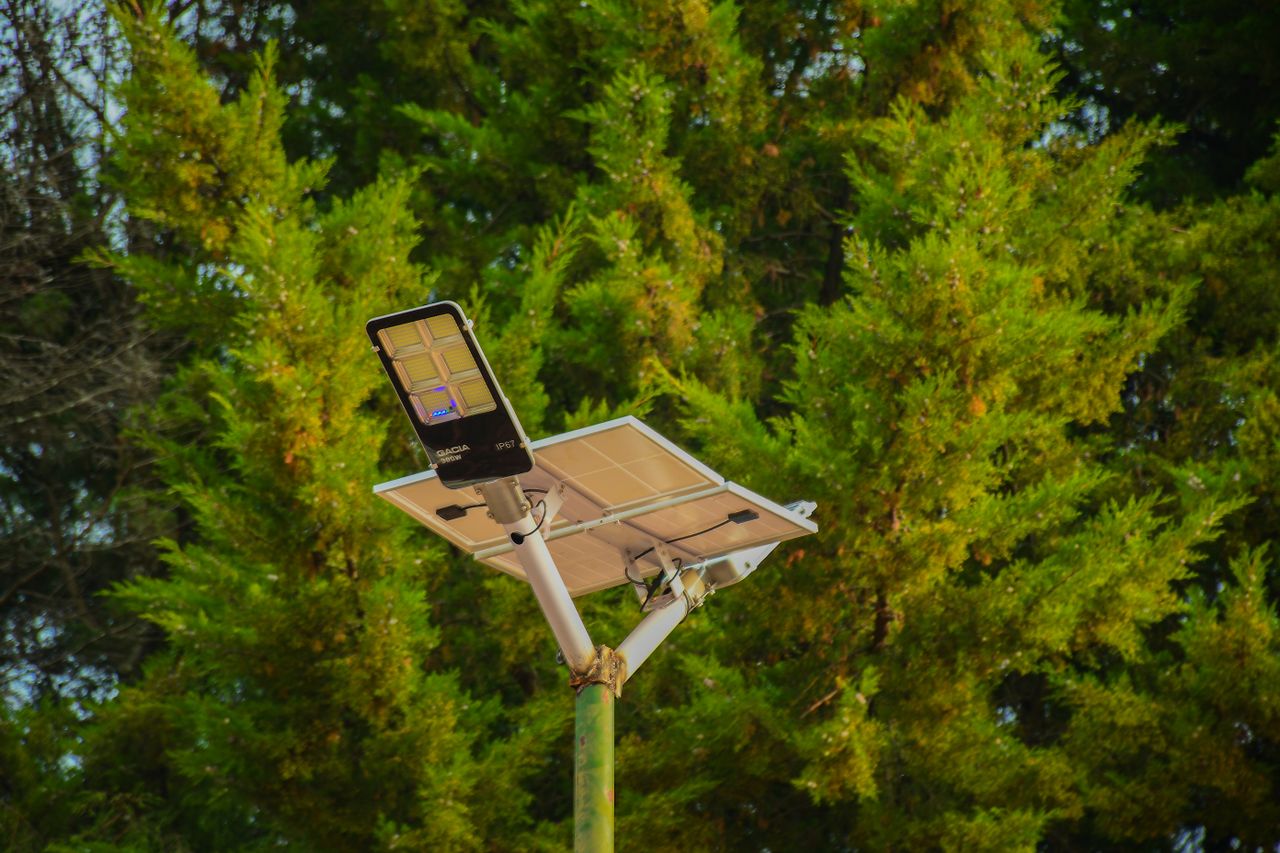
Green technology is changing how the world makes energy, builds homes, and grows food. As climate change and pollution grow more serious, more people are turning to clean, eco-friendly solutions. This shift is not just good for the planet. It also creates jobs, saves money, and improves daily life. In this article, we will explore what green technology means, why it matters, and how it is shaping tomorrow.
What Is Green Technology?
Green technology, also called clean technology, includes tools and systems that protect the environment. It covers many industries. These include energy, transport, farming, and construction. Solar panels, electric cars, and smart home devices are common examples. However, green technology is not only about machines. It is also about smarter ways to use resources. As a result, businesses and families can reduce waste while still meeting their needs.
Why Green Technology Matters Today?
For years, industries relied heavily on coal, oil, and gas. Burning these fuels releases harmful gases into the air. Consequently, pollution has increased, and natural resources have become scarce. Green technology offers a better path forward. For instance, solar and wind power can replace dirty fuel sources. Meanwhile, electric vehicles help cut down on toxic exhaust fumes. Therefore, adopting clean tech is essential for a healthier planet and economy.
Key Areas of Green Technology
Renewable Energy Solutions
Renewable energy sits at the heart of green technology. Solar panels turn sunlight into electricity. Wind turbines use moving air to generate power. Additionally, battery storage helps save energy for later use. This means homes and businesses can rely less on fossil fuels. As a result, electricity becomes cleaner and more reliable over time.
Green Transportation and Electric Vehicles
Transportation is a major source of pollution. Cars, trucks, and planes burn large amounts of fuel. Fortunately, electric vehicles are changing this. They run on batteries instead of gasoline. Furthermore, hydrogen-powered buses and trains are also gaining popularity. Public transport and shared mobility apps further reduce the need for personal cars. Together, these solutions lower emissions significantly.
Energy-Efficient Buildings
Buildings use a lot of energy for heating, cooling, and lighting. Smart technology can fix this problem. LED lights, better insulation, and smart thermostats all help save power. In addition, sensors can detect when a room is empty and turn off lights automatically. Consequently, homes and offices become more comfortable and less costly to run.
Smart Agriculture and Water Technology
Farming depends on land, water, and energy. Green technology helps farmers use these resources wisely. Drones and sensors monitor soil and crop health. As a result, farmers apply water and fertilizer only where needed. Likewise, smart irrigation systems reduce water waste. This makes farming more sustainable, especially during droughts.
Waste Management and the Circular Economy
Traditional waste systems send too much material to landfills. Green technology offers better alternatives. Recycling plants recover metal, glass, and plastic. Composting turns food scraps into useful soil. Moreover, the circular economy model encourages companies to design products that last longer and can be repaired. Thus, less waste ends up harming the environment.
How Artificial Intelligence Supports Green Technology?
Artificial intelligence plays a growing role in sustainability. AI tools analyze data to predict energy demand and detect problems early. For example, smart grids use AI to balance electricity supply and demand. Similarly, AI-powered farming tools help spot crop issues before they spread. However, data centers also use electricity. So, their environmental impact must be managed carefully too.
Challenges Facing Green Technology
Despite its benefits, green technology faces real challenges. First, many clean solutions require large upfront investment. Second, certain materials used in batteries and solar panels must be sourced responsibly. Otherwise, their production can cause new environmental problems. Additionally, some companies exaggerate their eco-friendly claims. This practice, known as greenwashing, misleads consumers. Clear labeling and honest reporting can help solve this issue.
| Challenge | Possible Solution |
| High upfront cost | Government subsidies and tax breaks |
| Resource-heavy production | Responsible sourcing and recycling |
| Greenwashing | Transparent certifications and audits |
| Limited public awareness | Education and community programs |
The Future of Green Technology
Looking ahead, green technology will likely become more connected. Renewable energy, smart grids, and electric transport may work together as one system. Meanwhile, researchers continue to improve battery life, green hydrogen, and carbon capture. Governments, businesses, and everyday people all play a role in this shift. For example, choosing energy-efficient appliances or using public transport can make a real difference.
Final Thoughts: Why Green Technology Is Worth Investing In
In summary, green technology offers real solutions to some of today’s biggest environmental problems. From clean energy and electric cars to smart farming and better recycling, these innovations touch almost every part of daily life. Still, technology alone cannot solve everything. It must be paired with smart policies and responsible choices. By supporting green technology now, we can build a cleaner, healthier, and more resilient future for everyone.