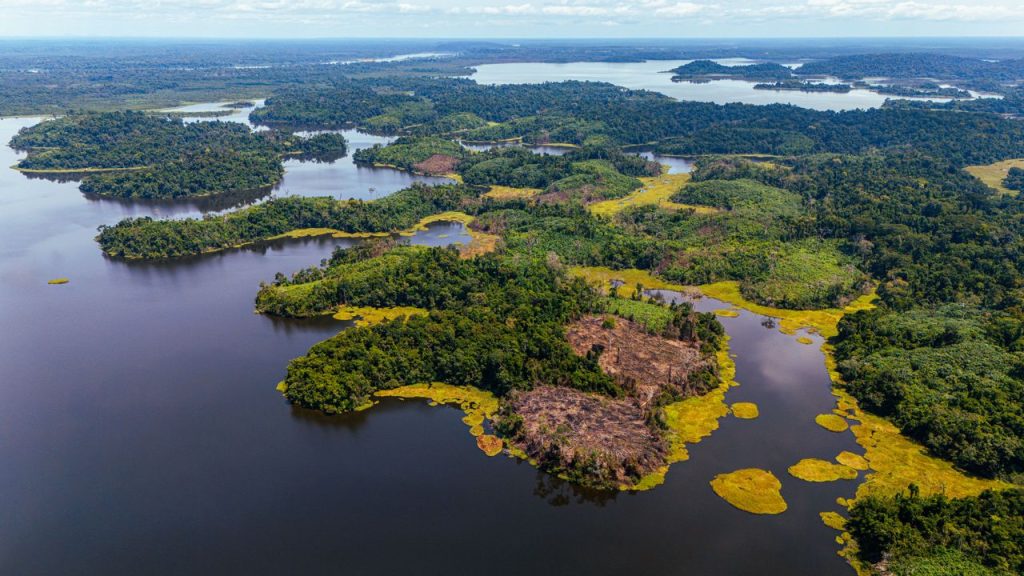
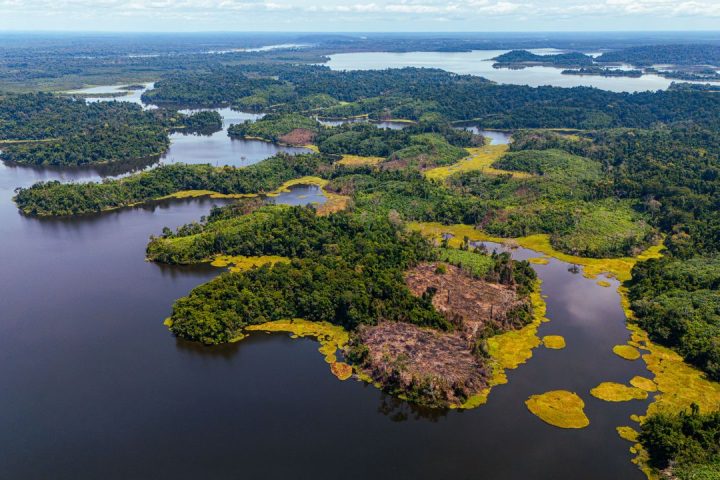
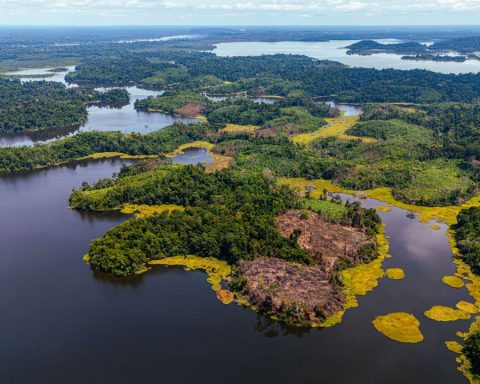
Biodiversity conservation protects species and ecosystems through habitat restoration, sustainable resource use, protected areas, community action, and technology.
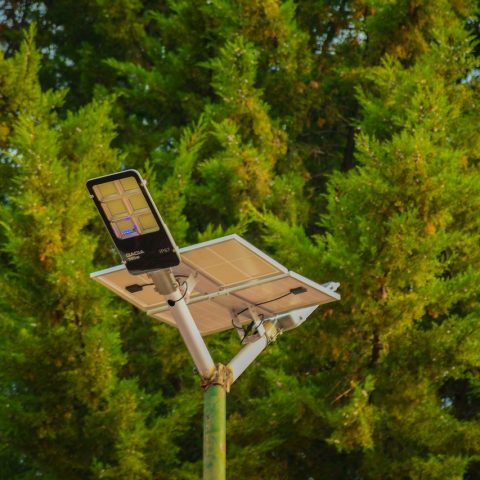
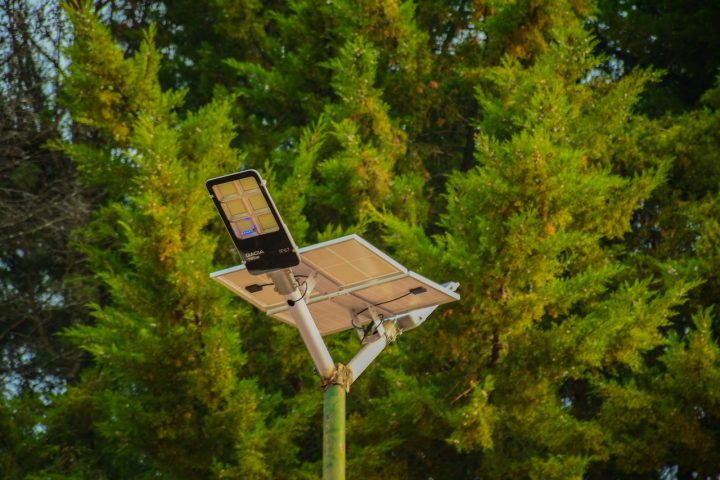
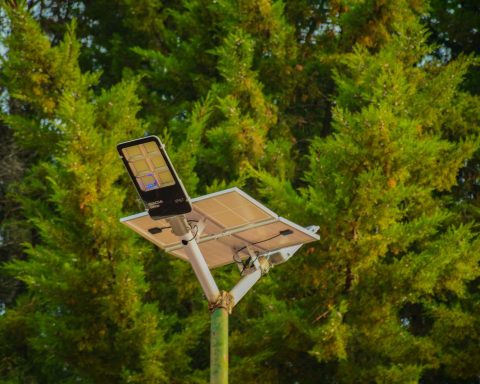
Green technology uses clean energy, smart systems, electric transport, sustainable farming, and better recycling to reduce environmental impact and build a resilient future.
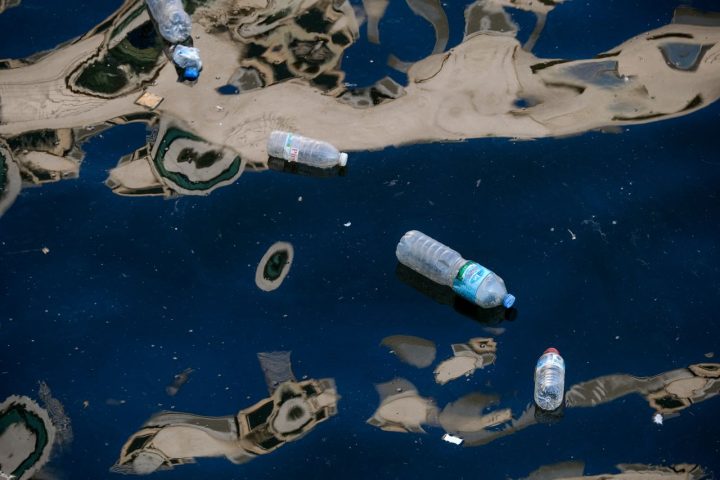
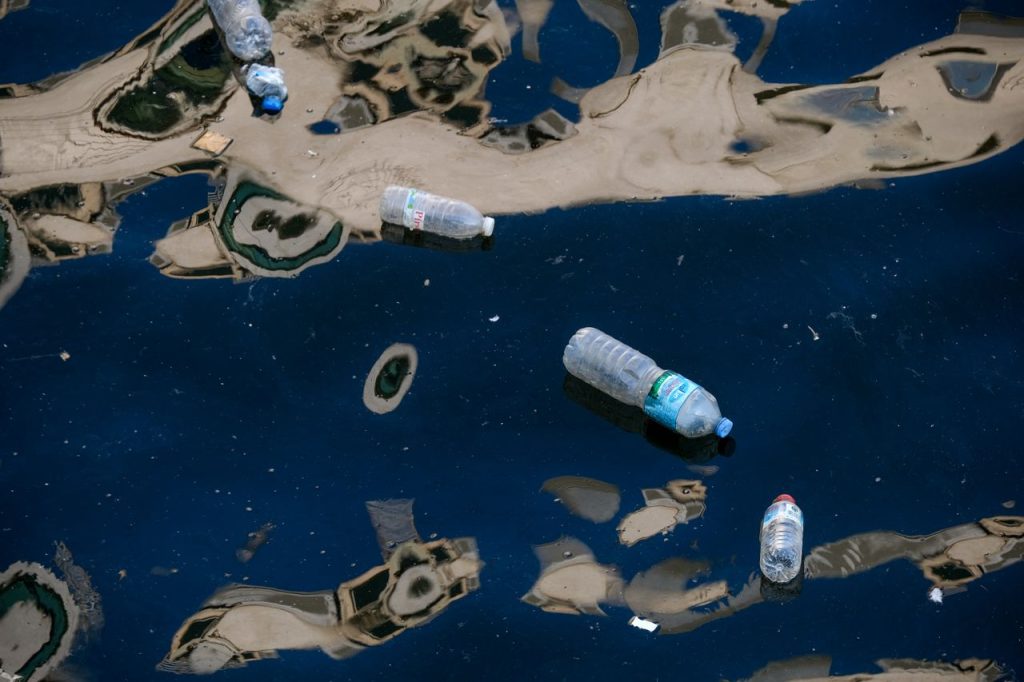
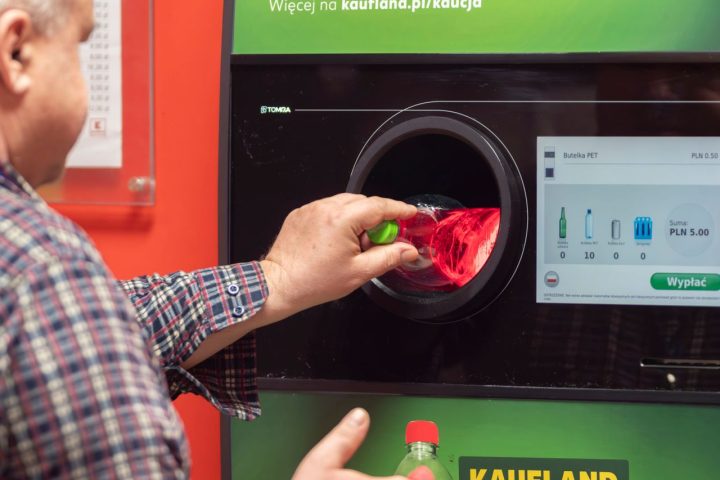
Plastic pollution reduction starts with reducing single-use plastics, reusing products, improving recycling, and preventing waste from reaching rivers and oceans.
Plastic pollution reduction starts with reducing single-use plastics, reusing products, improving recycling, and preventing waste from reaching rivers and oceans.
Biodiversity conservation protects species and ecosystems through habitat restoration, sustainable resource use, protected areas, community action, and technology.
Green technology uses clean energy, smart systems, electric transport, sustainable farming, and better recycling to reduce environmental impact and build a resilient
Sustainable food systems connect farming, health, technology, and communities to provide nutritious food while protecting resources and reducing environmental impact.
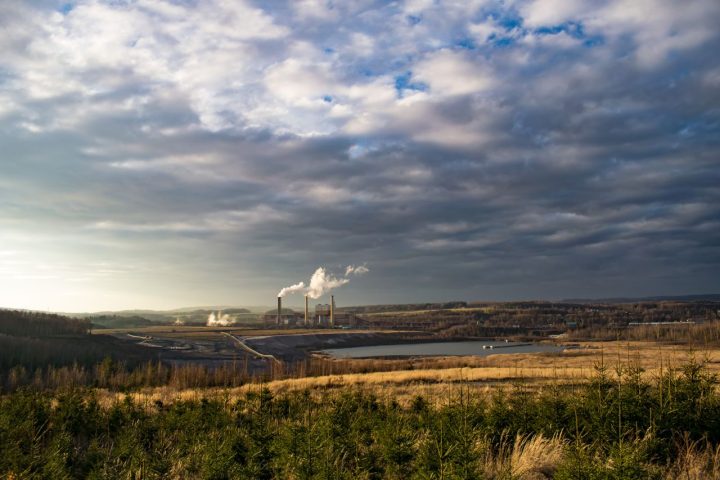
Carbon neutrality balances greenhouse gas emissions with carbon removal while promoting renewable energy, energy efficiency, cleaner transport, and sustainable business practices.
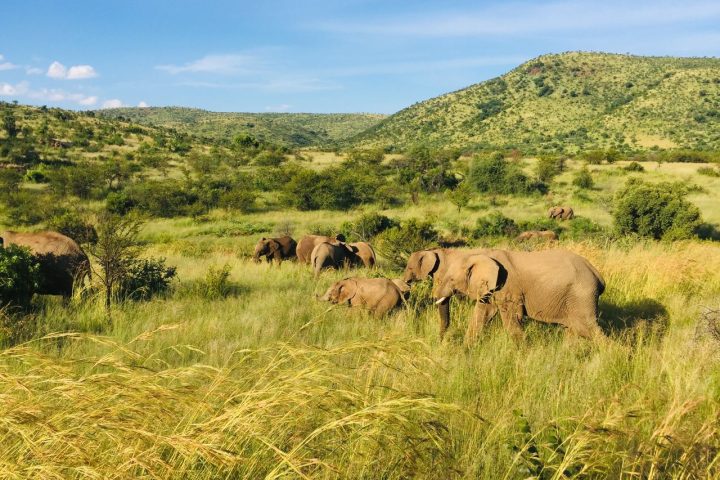
Wildlife conservation protects animals and ecosystems through habitat restoration, protected areas, anti-poaching efforts, science, and community involvement.
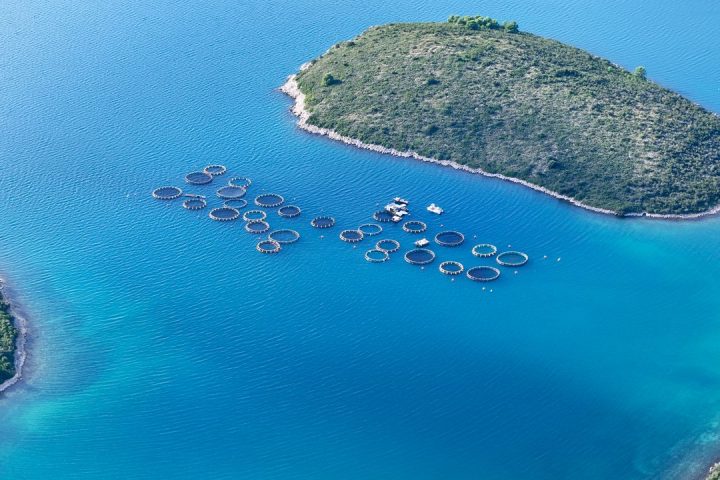
Sustainable fisheries balance seafood production with ocean health through responsible fishing, protected areas, aquaculture, technology, and strong management.
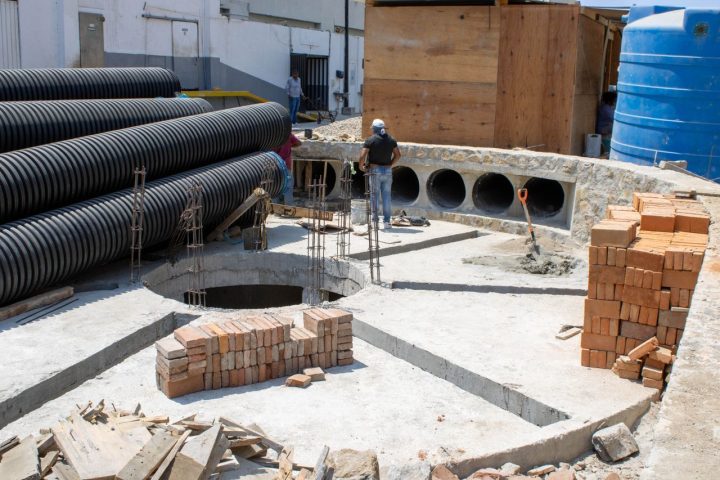
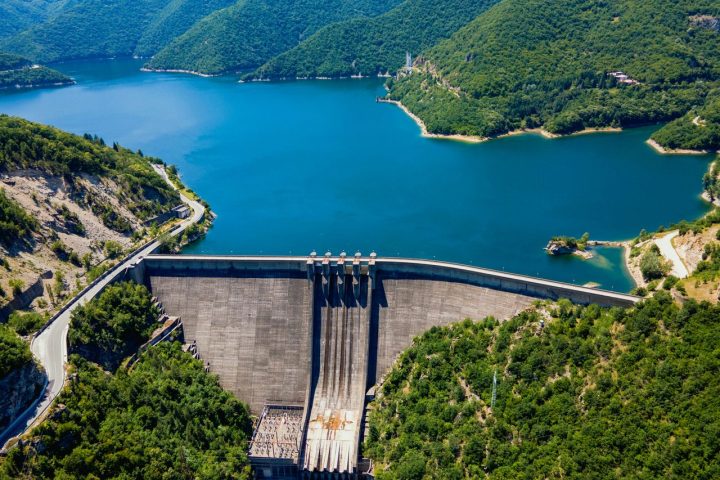
Renewable water conservation helps protect freshwater through efficient use, rainwater harvesting, wastewater reuse, groundwater protection, and smart water technology.
Sustainable building materials help reduce waste, conserve resources, improve energy efficiency, and create healthier buildings with lower environmental impact.