Sustainable fisheries are fishing practices that supply seafood today while protecting fish populations for tomorrow. They matter because millions of people rely on the ocean for food, jobs, and income. However, overfishing, habitat loss, pollution, and climate change put constant pressure on marine life. As a result, finding balance between human needs and ocean health has never been more urgent.
What Are Sustainable Fisheries?
A fishery becomes sustainable when people catch fish at a rate that still lets populations reproduce and stay healthy. In addition, sustainable fisheries protect the wider ecosystem, including habitats, predators, and prey species. Therefore, sustainability is not only about catch limits. It also includes seasonal restrictions, protected zones, gear rules, and monitoring programs that work together.
Why Sustainable Fisheries Matter So Much Today?
Seafood provides essential protein for people around the world. Meanwhile, fisheries support millions of jobs across fishing, processing, transport, and retail. Consequently, healthy fisheries strengthen food security and economic stability, especially in coastal communities. On the other hand, when fishing outpaces reproduction, fish stocks decline sharply. This decline can damage biodiversity, disrupt food chains, and hurt local economies that depend on the sea.
Overfishing: The Biggest Threat to Ocean Life
Overfishing happens when catch rates exceed what fish populations can naturally replace. Furthermore, removing too many predators or prey animals can reshape entire marine food webs. Fortunately, effective management can reverse this trend. Scientists use catch limits, enforcement, and adaptive policies to guide recovery. Similarly, managers may close specific fishing areas temporarily so stocks can rebuild.
Responsible Fishing Methods That Reduce Bycatch
Fishing methods directly affect ocean sustainability. Sometimes, nets and hooks accidentally catch non-target species, a problem known as bycatch. This may include young fish, turtles, seabirds, or marine mammals. To solve this, engineers design nets that let unintended catches escape safely. Likewise, updated hook designs reduce harm to vulnerable species. As a result, fishers can still catch their target species while protecting the rest of the ecosystem.
Marine Protected Areas and Their Growing Role
Marine protected areas (MPAs) limit or ban fishing in specific ocean zones. These areas safeguard breeding grounds, nurseries, and fragile habitats such as coral reefs and mangroves. When designed properly, MPAs give fish populations room to grow and reproduce. Moreover, they work best when local communities and scientists help design them together, since local input builds trust and cooperation.
Sustainable Aquaculture: Farming Fish the Right Way
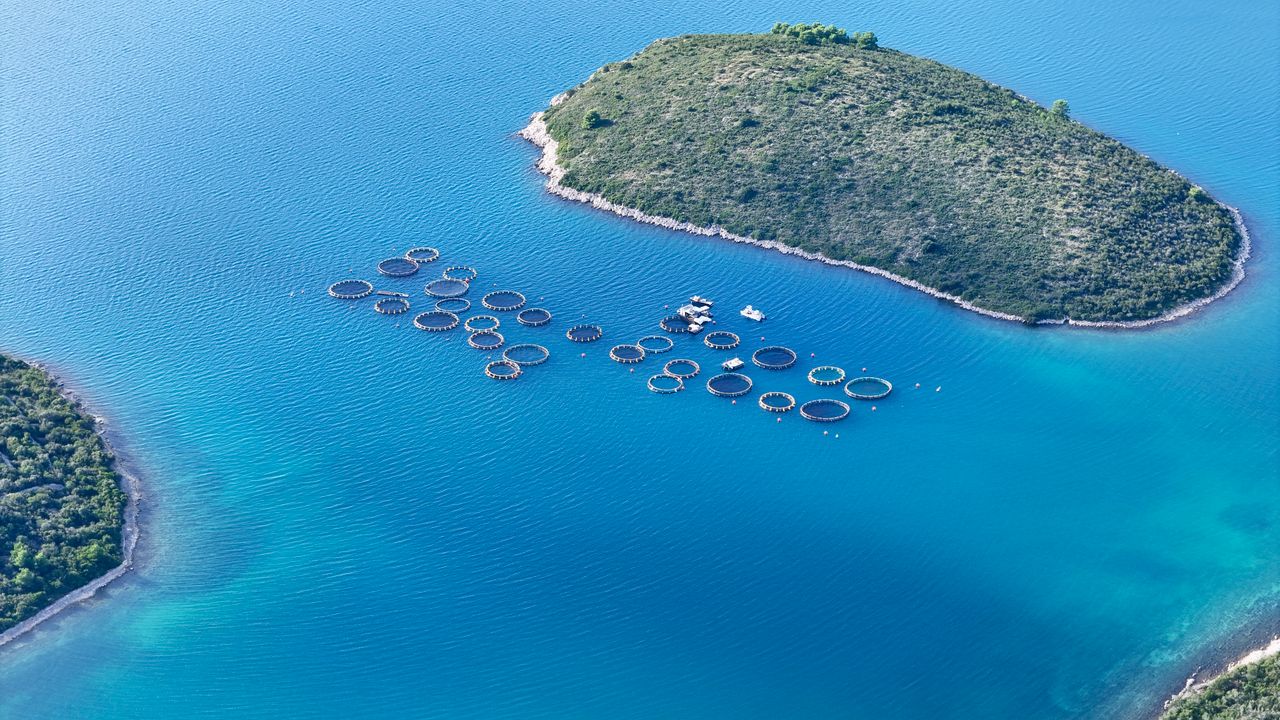
Aquaculture, or fish farming, can ease pressure on wild fish stocks. When managed responsibly, it focuses on clean water, safe feed, disease control, and low waste output. That said, not all aquaculture is equal. Well-run farms improve efficiency, while poorly managed ones can cause pollution or spread disease. Therefore, oversight and good practices remain essential.
Why Fishing Communities Are Key to Success?
Fishing communities hold deep knowledge about local waters, seasons, and species behavior. Consequently, involving them in decision-making leads to better outcomes. Rules created without local input often fail because people struggle to follow or enforce them.
Local Knowledge Meets Global Policy
When communities gain direct responsibility over local resources, they often develop stronger incentives to protect them. In other words, ownership creates accountability. This partnership between local wisdom and scientific policy tends to produce the most lasting results.
Technology’s Role in Modern Fisheries Management
Modern tools are transforming how we manage oceans. For instance, GPS tracking, satellite data, and electronic monitoring help authorities spot illegal activity quickly. Additionally, digital traceability systems track seafood from boat to plate, making it easier for buyers to confirm responsible sourcing. However, technology must remain affordable for small-scale fishers too, or it risks creating new barriers instead of solving old ones.
Climate Change: A New Challenge for Fisheries
Climate change is reshaping ocean ecosystems in real time. Rising temperatures, changing currents, and ocean acidification alter where fish live and breed. Meanwhile, some species are shifting toward cooler waters, which creates new cross-border management challenges. Because of this, fisheries policy must stay flexible and adapt as new data emerges. Protecting healthy habitats also builds resilience against these changes.
How You Can Choose Sustainable Seafood?
Consumers hold real power in this story. Seafood certification labels and traceability tools reveal how products were caught or farmed. Therefore, choosing certified seafood sends a clear market signal. Restaurants and supermarkets can help too, by sourcing from responsible suppliers and being transparent about their supply chains.
Quick tips for choosing sustainable seafood:
- Look for recognized sustainability certification labels
- Ask where and how the seafood was caught or farmed
- Choose seasonal, local seafood when possible
- Avoid species listed as overfished or endangered
The Economic Case for Sustainable Fisheries
Sustainable practices deliver long-term financial benefits. Healthy fish stocks support stable catches year after year, which protects jobs and income. In contrast, overfishing may boost short-term profits but eventually causes job losses and rising management costs. Additionally, thriving marine ecosystems attract tourism through diving, wildlife watching, and recreational fishing, adding another valuable income stream for coastal regions.
Common Challenges Facing Sustainable Fisheries
| Challenge | Impact |
| Illegal, unreported fishing | Undermines conservation rules |
| Weak enforcement | Hard to monitor across vast oceans |
| Limited resources for small fishers | Difficulty following regulations |
| Competing national interests | Slows international cooperation |
Despite these obstacles, strong institutions, reliable science, and community participation can drive real progress.
Conclusion: Building a Better Future for Our Oceans
Sustainable fisheries protect ocean ecosystems while supporting food security, jobs, and coastal economies worldwide. Ultimately, success depends on cooperation between governments, scientists, fishing communities, and everyday consumers. By treating marine resources as valuable rather than unlimited, we can build a seafood industry that feeds people today while protecting oceans for generations to come.