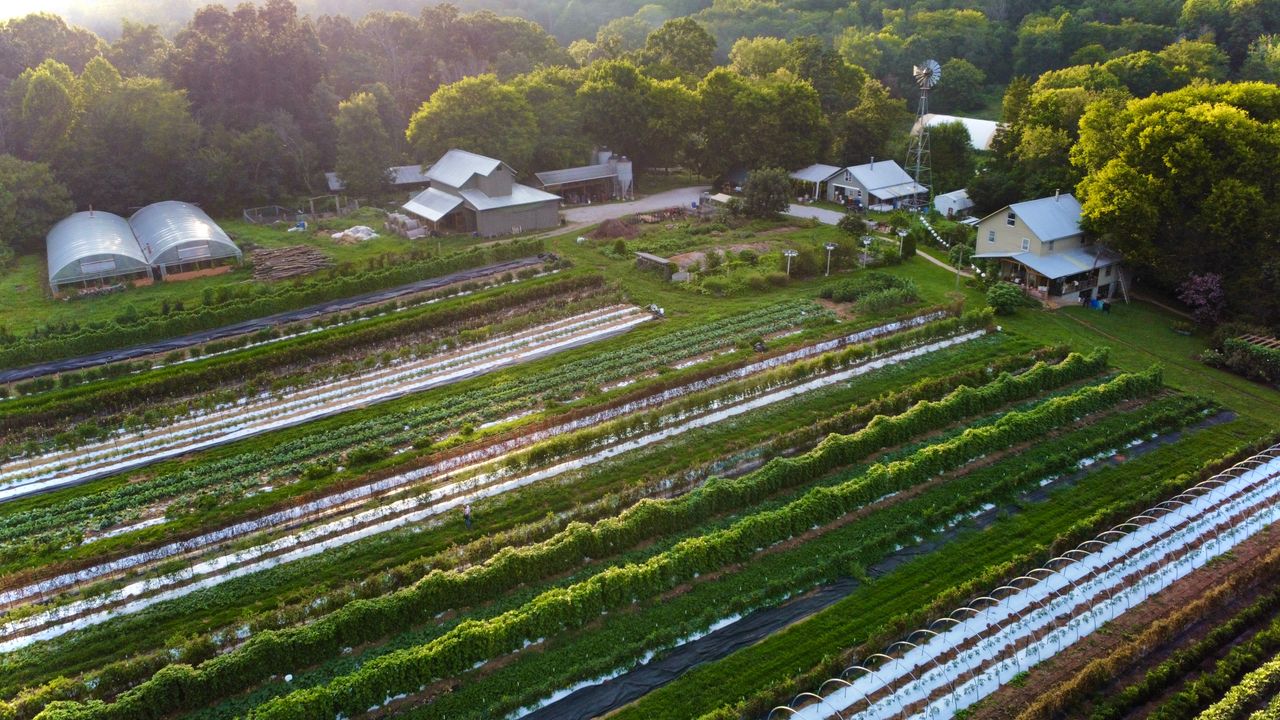
Sustainable agriculture is changing the way the world grows food. It protects the soil, saves water, and helps farmers earn a stable living. As climate change and population growth put more pressure on our land, this farming approach offers a practical way forward. In this guide, you will learn what sustainable agriculture means, why it matters, and how farmers around the world are putting it into practice.
What Is Sustainable Agriculture?
Sustainable agriculture is a way of farming that meets today’s food needs without harming the resources future generations will need. In other words, it balances three things: healthy land, fair income for farmers, and strong communities.
There is no single formula for sustainable farming. Instead, farmers combine several practices based on their soil, climate, and crops. Common methods include:
- Crop rotation
- Conservation tillage
- Integrated pest management (IPM)
- Agroforestry
- Efficient irrigation
- Organic farming
- Cover cropping
- Composting
- Responsible livestock management
Because every region is different, farmers often mix and match these techniques to suit local conditions.
Why Sustainable Agriculture Matters?
Farming depends entirely on natural resources. Healthy soil, clean water, and diverse ecosystems all keep crops growing and pests in check. However, when these resources are misused, productivity drops over time.
For instance, soil erosion strips away nutrient-rich topsoil, while too much fertilizer can pollute nearby rivers and lakes. Similarly, overusing pesticides can harm helpful insects like bees.
Sustainable agriculture tackles these problems directly. As a result, it helps build food systems that stay productive for the long run, rather than treating natural resources as endless supplies.
Soil Health: The Foundation of Sustainable Farming
Soil is more than just dirt, it stores water, feeds plants, and supports billions of microorganisms. Therefore, protecting soil health is one of the first steps toward sustainable agriculture.
Farmers improve soil in several ways:
| Practice | Benefit |
| Cover crops | Prevents erosion, adds organic matter |
| Crop rotation | Breaks pest cycles, restores nutrients |
| Composting | Boosts soil fertility naturally |
| Reduced tillage | Protects soil structure |
Additionally, planting legumes and grasses as cover crops shields the soil from wind and rain. Meanwhile, crop rotation stops the same pests from returning season after season.
Water Conservation in Agriculture
Water is another resource farmers cannot afford to waste. Inefficient irrigation, unfortunately, leads to major water loss every year.
To solve this, many farms now use:
- Drip irrigation, which sends water straight to plant roots
- Soil-moisture sensors that show exactly when crops need watering
- Rainwater harvesting systems
- Drought-resistant crop varieties
Consequently, these tools reduce evaporation and unnecessary water use. At the same time, they help protect rivers, wetlands, and groundwater from chemical runoff.
Reducing Chemical Use Through Smarter Farming
Fertilizers and pesticides can protect crops, but overusing them creates new problems. That’s where integrated pest management (IPM) comes in.
IPM combines pest monitoring, biological controls, and resistant crop varieties. Rather than spraying pesticides automatically, farmers apply them only when truly needed. This approach lowers costs and protects beneficial insects.
Likewise, testing soil before adding fertilizer helps farmers apply exactly what crops require, no more, no less.
Biodiversity: Nature’s Farming Partner
Bees, birds, and other wildlife do more for farms than most people realize. Pollinators help crops produce fruit and seeds, while natural predators keep pest populations under control.
To support biodiversity, farmers often:
- Maintain hedgerows and native plants
- Protect wetlands near farmland
- Practice agroforestry by combining trees with crops or livestock
In turn, these trees reduce wind erosion, provide shade, and sometimes yield extra income through fruits, nuts, or timber.
Sustainable Livestock Farming
Livestock provides food, income, and manure for farms. However, intensive systems can strain land and water resources. That’s why sustainable livestock farming focuses on:
- Rotational grazing, which lets pastures recover
- Better animal nutrition
- Responsible manure management
- Balanced stocking levels
As a result, healthy, well-managed animals need fewer interventions and produce less environmental waste.
Climate Change and Farming’s New Reality
Rising temperatures and unpredictable rainfall are already affecting crop yields worldwide. Fortunately, sustainable agriculture helps farmers adapt through healthier soil, better water management, and climate-resilient crop varieties.
Moreover, healthy soil stores carbon, and agroforestry increases carbon capture in trees and vegetation. Still, every region needs solutions tailored to its own climate and farming systems.
The Role of Technology in Modern Farming
Precision agriculture is transforming how farmers work. By using GPS, drones, and satellite imagery, farmers can now identify water-stressed or nutrient-deficient areas with pinpoint accuracy.
Additionally, GPS-guided machinery applies seeds, fertilizer, and pesticides precisely where needed, cutting down on waste. Automation and robotics are also entering the picture, helping with planting, harvesting, and weed control.
Economic and Social Benefits
Sustainable agriculture isn’t just good for the planet, it’s good for business too. Efficient water and fertilizer use lowers costs, while crop diversification protects farmers from relying on a single income source.
Furthermore, demand for organic and locally grown food keeps rising, opening new markets for farmers who adopt sustainable methods. That said, switching to these practices often requires upfront investment, training, and support from governments or organizations.
Common Challenges Farmers Face
Despite its benefits, sustainable agriculture comes with real obstacles:
- Limited access to financing for small farms
- Need for specialized knowledge and equipment
- Higher costs for consumers due to certification requirements
- Balancing productivity with conservation
Nevertheless, collaboration between farmers, governments, and businesses can make sustainable farming more accessible and affordable over time.
The Future of Sustainable Agriculture
Looking ahead, the future of farming will likely blend traditional knowledge with modern science. Regenerative farming, precision agriculture, and improved crop varieties are expected to play a bigger role in the years to come.
Ultimately, sustainable agriculture isn’t about rejecting technology, it’s about using resources wisely and responsibly, so farms can keep feeding the world for generations.
Final Thoughts
Sustainable agriculture offers a realistic path toward feeding a growing population while protecting the planet’s natural resources. By focusing on soil health, water conservation, biodiversity, and smarter technology, farmers can build stronger, more resilient food systems. As climate pressures continue to grow, adopting sustainable agriculture will only become more important, for farmers, communities, and the environment alike.