The circular economy is a smarter way to use the world’s resources. Instead of throwing things away after one use, this model keeps products and materials in circulation for as long as possible. As a result, businesses save money, consumers get better products, and the planet faces less pressure. In this guide, you will learn what a circular economy means, why it matters, and how you can be part of it.
Understanding the Circular Economy Model
For decades, most economies have followed a “take, make, use, and dispose” pattern. This is known as a linear economy. Factories take raw materials, turn them into products, and then customers throw those products away when they break. Consequently, landfills grow larger, and natural resources shrink faster every year.
The circular economy takes a different path. Rather than treating a broken product as trash, it treats that product as a source of value. Old parts get repaired, refurbished, or recycled into new items. Therefore, fewer raw materials need to be extracted from the earth, and less waste ends up in landfills or oceans.
For example, a linear approach to smartphones involves mining metals, building a phone, and dumping it once it stops working. On the other hand, a circular approach means designing that same phone so its battery can be swapped, its screen can be fixed, and its parts can be recovered later. As a result, the device stays useful for much longer.
Key Principles Behind the Circular Economy
Several core ideas guide this system. Understanding them makes it easier to see how circular thinking works in real life.
- Reduce waste and pollution: Products and factories should be designed to create as little waste as possible from the start.
- Keep products in use longer: Repair, resale, and refurbishment help items stay useful instead of becoming trash.
- Regenerate natural systems: Composting and sustainable farming return nutrients to the soil rather than depleting it.
- Design for durability: Long-lasting furniture, electronics, and clothing reduce the need for constant replacement.
- Recover valuable materials: When a product truly reaches the end of its life, recycling helps recover metals, plastics, and fabrics for reuse.
Together, these principles form a loop instead of a straight line. Because of this, resources keep moving through the economy instead of ending up buried in the ground.
Circular Economy vs. Linear Economy: What’s the Difference?
| Feature | Linear Economy | Circular Economy |
| Resource use | Take, make, dispose | Reduce, reuse, recycle |
| Product lifespan | Short and disposable | Long and repairable |
| Waste | Sent to landfill | Recovered and reused |
| Focus | Low-cost production | Long-term value |
As the table shows, the circular economy focuses on keeping value inside the system. Meanwhile, the linear model simply lets that value disappear once a product is thrown away.
Why the Circular Economy Matters Right Now?
Global population growth and rising consumption have placed enormous pressure on natural resources. Meanwhile, landfills across the world are filling up faster than ever. Because of this pressure, a circular economy is quickly becoming a practical solution rather than a nice idea.
According to research from the Ellen MacArthur Foundation, shifting toward circular practices could unlock trillions of dollars in economic value worldwide while cutting global emissions significantly. Only a small fraction of the global economy currently runs on circular principles, so businesses that adopt circular strategies early may gain a real competitive advantage.
Benefits of a Circular Economy
Switching to circular practices creates advantages for businesses, consumers, and the environment alike.
- Waste reduction: Fewer products end up in landfills or incinerators.
- Resource conservation: Recycling reduces the need to extract new raw materials.
- Lower pollution: Efficient production methods cut down on emissions and waste.
- Economic growth: Repair shops, resale platforms, and recycling businesses create new jobs.
- Consumer savings: Refurbished electronics and secondhand goods often cost less than new items.
Additionally, these benefits tend to reinforce each other. For instance, as more consumers buy refurbished products, demand for new raw materials drops, which in turn lowers pollution from mining and manufacturing.
How Businesses Are Driving the Circular Economy?
Companies play a central role in this shift. Many manufacturers now redesign products so they last longer and can be repaired easily. Additionally, some businesses offer take-back programs, allowing customers to return old items for refurbishment or recycling.
Subscription and rental models are also gaining popularity. Instead of owning a product outright, customers pay for access to it, so companies retain ownership of materials and can recover them once a product’s use ends.
Packaging is another area of change. Businesses are cutting unnecessary packaging and switching to recycled or reusable materials, while digital tracking tools help them follow products from factory to customer and back again.
How Consumers Can Support the Circular Economy?
Everyday choices matter too. You can support circular practices by:
- Buying durable products instead of disposable ones
- Repairing items instead of replacing them right away
- Choosing secondhand or refurbished goods
- Donating unwanted items instead of discarding them
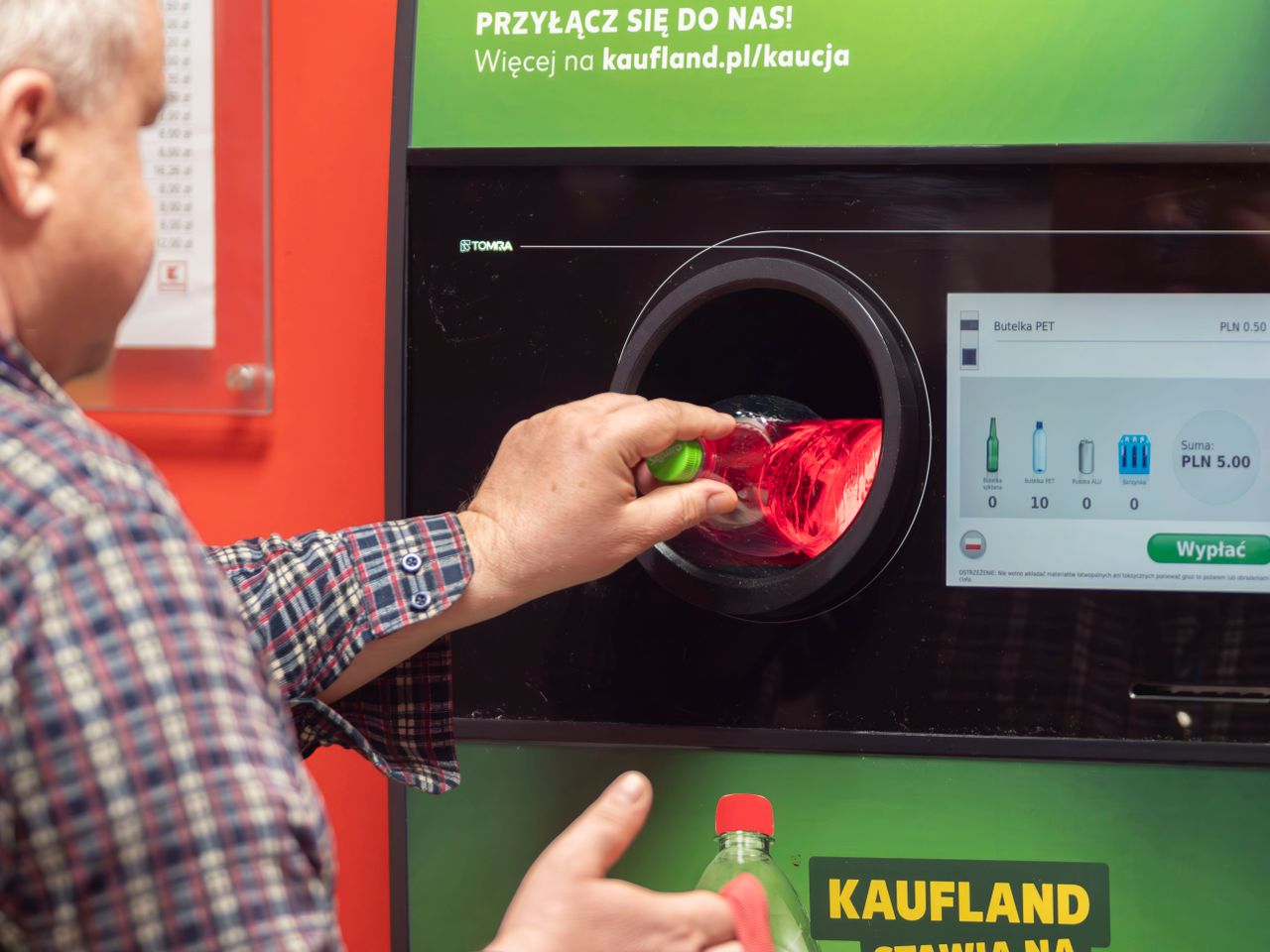
- Recycling materials correctly
That said, responsibility should not rest on consumers alone. Governments and businesses must also build systems that make circular choices convenient and affordable for everyone.
Real-World Examples of the Circular Economy
Circular practices already exist across many industries:
- Fashion: Clothing resale, rental, and repair extend the life of garments.
- Electronics: Refurbished phones and laptops reduce electronic waste.
- Construction: Materials from demolished buildings get reused in new projects.
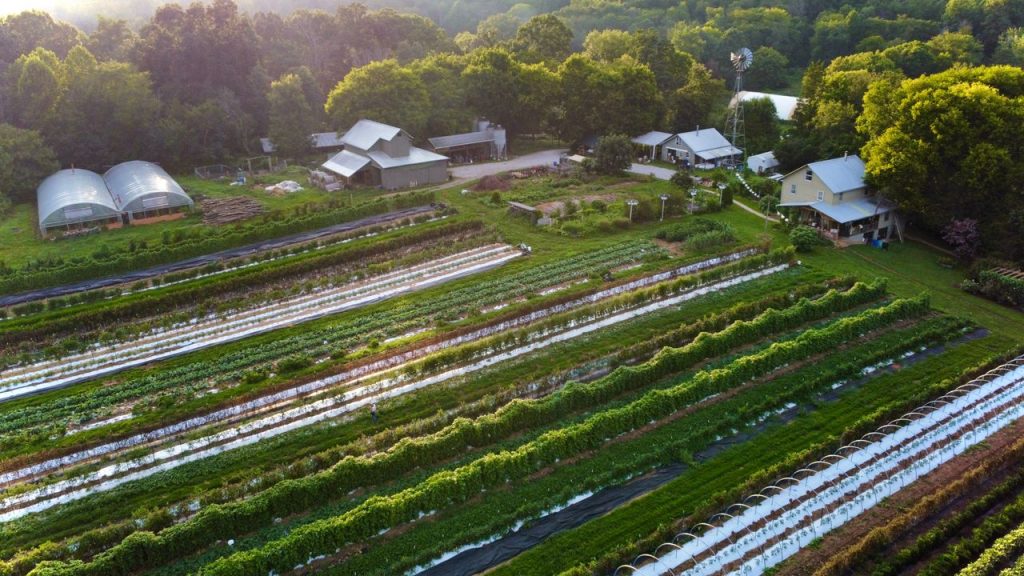
- Agriculture: Food waste gets composted and returned to the soil.
- Automotive: Old vehicles are stripped for reusable metals and remanufactured parts.
These examples show that circular thinking is not just theory. In fact, it is already reshaping how everyday products are made and sold.
Challenges Facing the Circular Economy
Despite its benefits, this transition is not without obstacles. Many communities still lack proper recycling or repair infrastructure. Furthermore, some products contain mixed materials that are hard to separate, which makes recycling more expensive.
Consumer habits present another challenge, since many people still prefer buying new products over repairing old ones. Therefore, education and convenient alternatives remain essential, while supportive government policies can help close these gaps through funding and responsible design rules.
The Future of the Circular Economy
Looking ahead, technology will likely make circular systems easier to manage. Automated sorting, better tracking, and smarter recycling methods are already improving how materials get recovered. As a result, businesses may increasingly shift from short-term consumption models toward durability, repair, and shared access.
This transition will take time, and it requires cooperation between manufacturers, governments, and everyday consumers. Nevertheless, the direction is clear: resources are meant to circulate, not disappear.
Conclusion: Why the Circular Economy Is Worth Embracing
The circular economy is more than a recycling trend. It is a complete rethinking of how products are designed, used, and recovered. By reducing waste, conserving resources, and supporting smarter business models, this approach offers a practical path toward a more sustainable future. Whether you are a business leader or an everyday shopper, small circular choices today can lead to a healthier planet tomorrow.