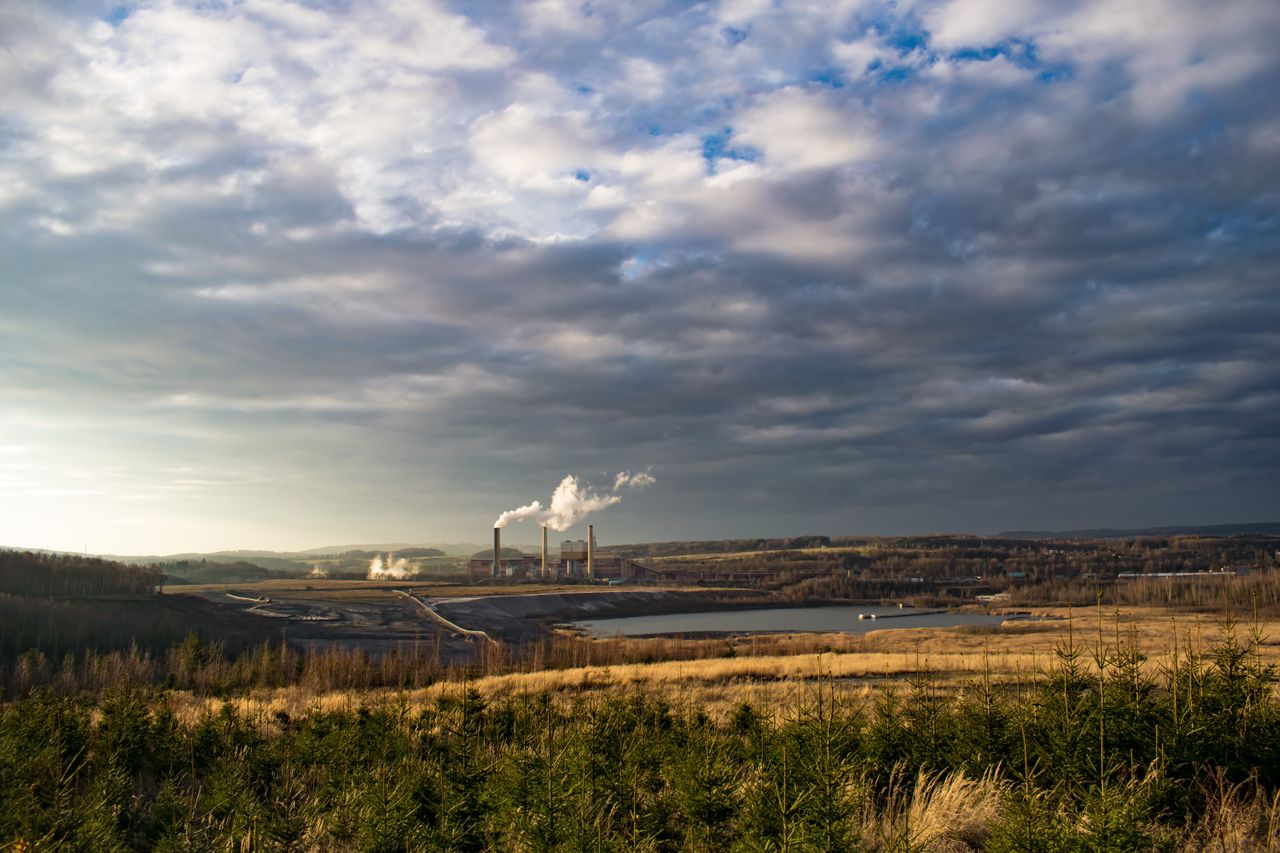
Carbon neutrality is one of the biggest environmental goals of our time. As climate change reshapes weather, health, and economies worldwide, more governments, companies, and everyday people are searching for real ways to cut greenhouse gas emissions. Simply put, carbon neutrality means balancing the carbon we release with the carbon we remove. The end goal is clear: human activity should not add extra carbon to the atmosphere.
However, reaching carbon neutrality takes more than planting a few trees. It calls for change across energy, transport, construction, and manufacturing. When emissions are cut at the source, and the rest is handled responsibly, we move closer to a cleaner world.
What Is Carbon Neutrality?
Carbon neutrality happens when the net emissions from a person, company, or country reach zero. First, emissions are measured. Then, they are reduced as much as possible. Finally, any leftover emissions are balanced through carbon removal or trusted carbon offset programs.
For instance, a factory might track emissions from its buildings, machines, and delivery trucks. Afterward, it can switch to renewable power and cut waste. If some emissions still remain, the company can support verified projects that remove an equal amount of carbon elsewhere.
Meanwhile, carbon neutrality connects closely with net-zero emissions. Although people often use these terms interchangeably, net zero usually means a deeper, economy-wide reduction, with only a small share of emissions offset.
Why Carbon Neutrality Matters?
Greenhouse gases like carbon dioxide and methane trap heat in our atmosphere. Since we started burning coal, oil, and gas at scale, these gas levels have climbed sharply. As a result, global temperatures rise, and so does the risk of floods, droughts, and heatwaves.
These shifts also strain farming, water supplies, and public health systems. Therefore, cutting emissions through carbon neutrality can slow this damage. While it won’t reverse climate change overnight, it can meaningfully limit future warming.
How Renewable Energy Drives Carbon Neutrality?
Moving away from fossil fuels is one of the most powerful steps toward carbon neutrality. Coal, oil, and natural gas remain major emission sources, especially in power plants and factories.
In contrast, renewable energy sources such as solar, wind, and hydropower produce electricity with far fewer emissions. Solar panels turn sunlight into power, while wind turbines generate electricity without burning fuel at all.
Additionally, renewable energy can boost energy security and reduce reliance on imported fuel. Still, it needs strong grids, storage systems, and smart infrastructure to work reliably.
Energy Efficiency: Doing More With Less
Carbon neutrality isn’t only about clean power-it’s also about using less energy overall. Better insulation, LED lighting, and smart thermostats can shrink a building’s energy use significantly.
Similarly, factories can save energy by upgrading old equipment. At home, simple habits like using efficient appliances and cutting unnecessary electricity use add up quickly. When millions of people make small changes, the impact becomes huge.
Sustainable Transportation Options
Transportation is another key piece of the puzzle. Regular gas and diesel vehicles release harmful emissions every time they run.
Electric Vehicles and Public Transit
Electric vehicles, especially when charged with renewable power, cut emissions substantially. Meanwhile, buses, trains, cycling, and walking reduce the number of cars on the road altogether.
Aviation and Shipping Challenges
On the other hand, long-distance travel-like flights and cargo ships-is harder to decarbonize. Sustainable fuels, better efficiency, and emerging carbon removal tools may eventually close this gap.
Carbon-Neutral Buildings
Buildings use huge amounts of energy for heating, cooling, and lighting. So, designing them with carbon neutrality in mind matters a lot.
Passive solar design, strong insulation, and rooftop solar panels all help buildings generate and save energy. Furthermore, using low-carbon materials-like recycled content or sustainable timber-reduces emissions tied to construction itself.
Carbon Neutrality in Business
Companies play a major role in this shift. First, they measure their carbon footprint across operations, electricity, travel, and supply chains. Next, they set clear reduction targets.
From there, businesses can invest in clean energy, cut packaging waste, and work with suppliers to lower emissions further. Equally important, transparent reporting builds trust-so customers and investors can verify that climate claims are backed by real action.
Carbon Offsets vs. Carbon Removal
Some emissions are genuinely hard to eliminate. That’s where carbon offsets and removal methods come in-though they should support, not replace, direct cuts.
| Method | Example | Key Consideration |
| Reforestation | Planting new forests | Long-term monitoring needed |
| Soil carbon management | Regenerative farming | Varies by region |
| Direct air capture | Technology-based removal | Currently costly |
Because quality varies widely, high-quality projects must be independently verified. Otherwise, “carbon neutral” claims can become misleading.
What Individuals Can Do
Everyday choices matter too. Walking, cycling, using public transit, and cutting back on flights all lower personal emissions. Likewise, reducing food waste and eating more plant-based meals can shrink your environmental footprint.
Consumers can also support businesses that manufacture, package, and ship products responsibly.
Challenges on the Road to Carbon Neutrality
Despite the progress, obstacles remain. Industries like steel, cement, and shipping are notoriously hard to decarbonize due to their energy demands.
Additionally, inconsistent standards make it difficult to compare “carbon neutral” claims across companies. Consequently, clear regulations, independent verification, and honest reporting are essential moving forward.
The Future of Carbon Neutrality
Ultimately, achieving carbon neutrality will require teamwork-governments setting standards, businesses innovating, and individuals adjusting daily habits. At the same time, global cooperation matters, since emissions cross borders freely.
Emerging technology in batteries, green hydrogen, and carbon capture may make this goal more achievable. Still, technology alone won’t fix everything-strong policy and behavioral change matter just as much.
Final Thoughts on Carbon Neutrality
In the end, carbon neutrality offers a real path toward fighting climate change and building a stronger economy. It takes more than balancing numbers on paper. Instead, real progress comes from renewable energy, smarter buildings, cleaner transport, and honest business practices.
Though the transition takes investment and effort, the rewards go beyond the climate itself-cleaner air, stronger energy security, and fresh economic opportunity. By putting carbon neutrality at the center of decision-making, we move closer to a future where growth and sustainability finally work hand in hand.