Eco-friendly packaging is changing the way businesses ship, store, and sell their products. From food boxes to skincare bottles, packaging touches almost everything we buy. However, traditional plastic wrapping often ends up in landfills or oceans. As a result, more brands and shoppers are turning toward greener choices. In this guide, we will explain what eco-friendly packaging means, why it matters, and how you can start using it today.
What Is Eco-Friendly Packaging?
Eco-friendly packaging refers to materials designed to reduce harm to the planet. This includes how they are made, used, and thrown away. There is no single “best” material for every product. Instead, the right choice depends on the item, its weight, and how it will be recycled locally.
Common examples include recycled paper, glass, reusable containers, and plant-based materials. Meanwhile, the main goal stays the same: use less, waste less, and recycle more.
Why Eco-Friendly Packaging Matters?
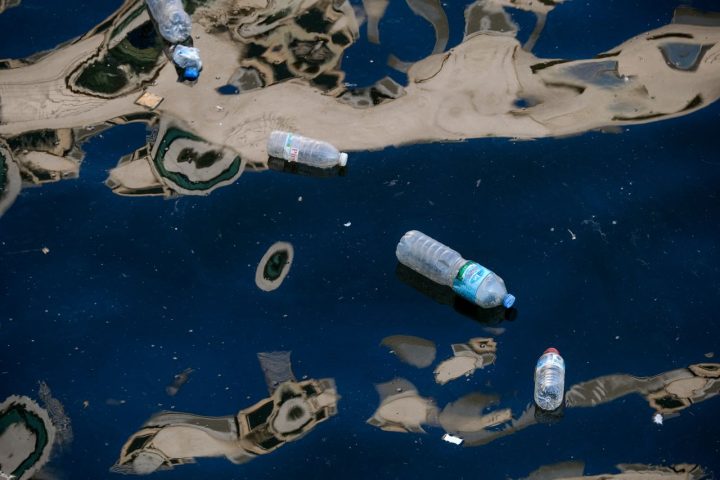
Plastic packaging is a major concern today. It is often used once and then thrown away, yet it can stay in the environment for hundreds of years. Consequently, it pollutes rivers, harms wildlife, and clogs waste systems.
On the other hand, eco-friendly packaging helps solve these problems. It reduces material use, replaces harmful plastics, and supports recycling. Additionally, greener packaging can lower greenhouse gas emissions across the entire supply chain, from sourcing raw materials to final disposal.
Main Types of Eco-Friendly Packaging
Below are the most common sustainable packaging options used today.
| Type | Best For | Key Benefit |
| Recycled Paper & Cardboard | Shipping, retail boxes | Widely recyclable, low cost |
| Reusable Packaging | Jars, bottles, delivery boxes | Cuts long-term waste |
| Glass | Food, drinks, cosmetics | Fully recyclable, reusable |
| Compostable Packaging | Food wraps, containers | Breaks down under right conditions |
| Plant-Based Packaging | Bags, trays, cutlery | Uses renewable resources |
Recycled Paper and Cardboard
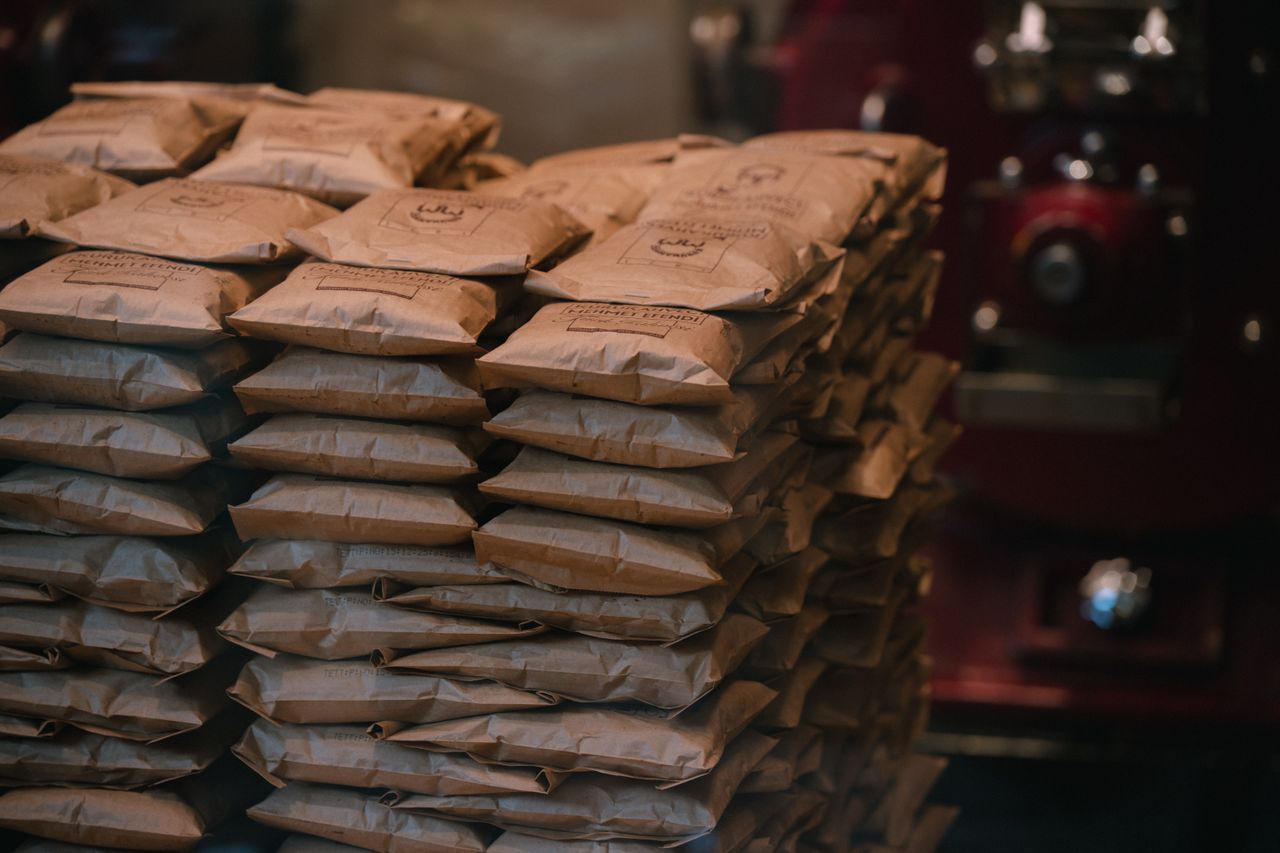
Paper and cardboard remain some of the most popular packaging materials. When sourced responsibly, they reduce the need for new raw materials. Businesses can also cut waste further by removing extra layers or unnecessary inserts.
Reusable Packaging
Reusable packaging, such as refillable bottles or sturdy containers, is built to last. Therefore, its environmental value grows each time it gets reused. However, cleaning and transport costs should still be considered.
Glass Packaging
Glass is strong, reusable, and easy to recycle in many places. Still, it weighs more than plastic, so shipping it can raise transportation emissions. As a result, glass works best for short-distance delivery or refill systems.
Compostable Packaging
Compostable packaging breaks down naturally, but only under specific conditions. Many types need industrial composting facilities, not a backyard compost bin. Because of this, clear labeling is essential so people know how to dispose of it correctly.
Plant-Based Packaging
Plant-based packaging comes from renewable sources like bamboo, sugarcane, or corn. These materials lower our reliance on fossil fuels. Even so, their overall impact depends on farming methods and how they are processed.
How to Reduce Packaging Waste?
Reducing packaging waste starts with a simple idea: use less. Brands can redesign boxes and containers to use fewer materials while still protecting the product inside. Similarly, lightweight packaging can lower both material use and shipping weight.
Here are a few practical steps:
- Remove unnecessary plastic wraps and layers
- Choose lightweight, right-sized boxes
- Use recycled or recyclable materials
- Offer refill options where possible
- Add clear recycling instructions on labels
Eco-Friendly Packaging for Businesses
For companies, sustainable packaging is both a responsibility and an opportunity. First, businesses should review their current packaging to find areas for improvement. Then, they can shift toward recycled content, reusable systems, or easy-to-recycle designs.
Packaging design should also account for shipping efficiency. Compact packaging allows more products per shipment, which can reduce fuel use. Furthermore, clear disposal instructions help customers recycle correctly instead of guessing.
Benefits for Consumers
Shoppers also gain real value from eco-friendly packaging. Reusable containers offer long-term savings, while lightweight designs make products easier to carry and store. Moreover, clear labeling helps buyers understand whether packaging is recyclable, reusable, or compostable.
That said, shoppers should stay alert to vague claims. Words like “green” or “natural” don’t always mean much on their own. Instead, look for specific details about materials, recycled content, and disposal steps.
Common Challenges (Including Greenwashing)
Despite its benefits, eco-friendly packaging still faces a few hurdles. Cost is a common issue, since sustainable materials can be pricier than standard plastic. Additionally, recycling and composting infrastructure varies widely between regions.
Greenwashing is another concern. Some companies market packaging as “sustainable” without solid proof. For example, a box might contain only a small percentage of recycled material yet be advertised as fully eco-friendly. To build real trust, businesses should always share clear, honest, and verifiable claims. Organizations such as the Federal Trade Commission’s Green Guides offer helpful standards for accurate environmental marketing.
The Future of Eco-Friendly Packaging
Looking ahead, packaging is likely to move toward circular design. Rather than treating packaging as disposable, circular systems aim to keep materials in use for as long as possible. Groups like the Ellen MacArthur Foundation are leading global research on circular packaging economies.
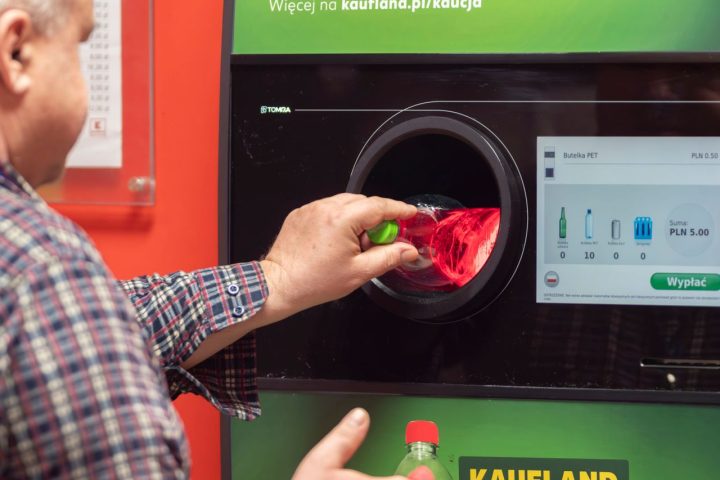
Refill stations, deposit-return systems, and smarter recycling technology could soon become standard. Meanwhile, researchers continue exploring new biomaterials made from algae, fungi, and agricultural waste. Technology, such as smart labeling and digital tracking, may also help companies follow packaging after it leaves the store, according to resources published by the U.S. Environmental Protection Agency.
Final Thoughts on Eco-Friendly Packaging
In short, eco-friendly packaging plays a key role in cutting waste and building a cleaner future. By using fewer materials, boosting recycled content, and encouraging reuse, both businesses and consumers can lower their environmental footprint. There is no perfect packaging solution for every product, so it’s important to look at the full life cycle, from sourcing to disposal. As technology and consumer habits evolve, eco-friendly packaging will only grow more important for protecting products and the planet alike.