Sustainable food systems are becoming one of the most important topics of our time. As the world’s population keeps growing, we need smarter ways to grow, sell, and consume food. At the same time, climate change, water shortages, and rising food prices are putting real pressure on farmers and families alike. This guide breaks down what sustainable food systems mean, why they matter, and how simple changes can protect our planet for years to come.
What Are Sustainable Food Systems?
A sustainable food system covers everything involved in getting food from the farm to your plate. This includes farms, fisheries, factories, stores, restaurants, and even the waste bin. In short, a food system is sustainable when it feeds people well without harming the environment or limiting resources for future generations.
There are three main parts to this idea. First, environmental sustainability protects soil, water, and wildlife. Next, economic sustainability makes sure farmers and workers earn fair wages. Finally, social sustainability ensures everyone has access to healthy, affordable meals.
Why Sustainable Food Systems Matter Today?
Traditional farming methods often use huge amounts of land and water. Meanwhile, certain practices can pollute rivers, wear down soil, and release greenhouse gases. As a result, our natural resources face growing strain.
However, sustainable methods can ease this pressure. For instance, they help conserve water, protect wildlife, and reduce pollution. In addition, they make communities stronger and more prepared for climate-related challenges. Just as importantly, these systems support public health by encouraging fresh fruits, vegetables, and whole grains instead of heavily processed food.
Sustainable Agriculture: The Foundation of Food Security
Farming sits at the heart of every food system. Therefore, sustainable agriculture focuses on growing food efficiently while keeping soil and water healthy.
Crop Rotation and Cover Crops
Growing different crops in sequence improves soil quality and reduces pest problems naturally. Likewise, cover crops shield soil from erosion and boost its structure. Compost and other organic matter also add valuable nutrients back into the ground.
Integrated Pest Management
Instead of relying only on chemical pesticides, farmers can combine natural pest control, careful monitoring, and targeted treatments. Consequently, this protects helpful insects and lowers environmental harm.
Soil Health: The Hidden Key to Food Production
Healthy soil forms the backbone of food production. It stores water, feeds plants, and supports the tiny organisms that keep ecosystems balanced. Unfortunately, poor farming habits can strip nutrients and cause erosion over time.
To fix this, many farmers now use regenerative farming techniques. Reduced tillage, crop diversity, composting, and agroforestry all help rebuild soil strength. As a result, farms become more resilient during droughts and heavy rains alike.
Water Conservation in Modern Farming
Food production uses enormous amounts of freshwater, especially where rainfall is unreliable. Still, smarter irrigation can make a real difference. Drip irrigation, for example, sends water straight to plant roots, cutting down on waste.
Additionally, rainwater harvesting, soil-moisture sensors, and drought-resistant crops all support smarter water conservation. Meanwhile, protecting rivers and wetlands from fertilizer runoff remains just as essential to long-term water health.
Sustainable Livestock and Fisheries
Livestock provides protein and jobs for millions of people worldwide. That said, it can also strain land and water resources. Fortunately, responsible grazing, better animal nutrition, and manure reuse all help lower this impact.
The same principle applies to our oceans. Overfishing and habitat loss threaten marine life, so sustainable fisheries rely on science-based catch limits and responsible fishing methods. Similarly, well-managed aquaculture can boost food supply without damaging ecosystems.
The Rise of Plant-Based and Alternative Foods
Plant-based foods often use fewer resources than animal products, making them a smart addition to sustainable diets. Legumes, vegetables, nuts, and whole grains deliver strong nutrition with a smaller footprint.
Furthermore, alternative proteins, including plant-based and fermentation-based products, are gaining popularity. Even so, their true environmental benefit depends on how they’re made and what ingredients go into them.
Reducing Food Waste at Every Stage
Food waste remains one of the biggest challenges facing global food systems. Whenever food is thrown away, all the water, land, and labor used to produce it go to waste too.
Thankfully, there are practical fixes. Better storage, accurate inventory tracking, and food donation programs all reduce loss along the supply chain. At home, you can help by:
- Planning meals ahead of time
- Storing food correctly
- Understanding expiration date labels
- Freezing extra portions
- Turning leftovers into new meals
Local vs. Seasonal Food: What Really Matters
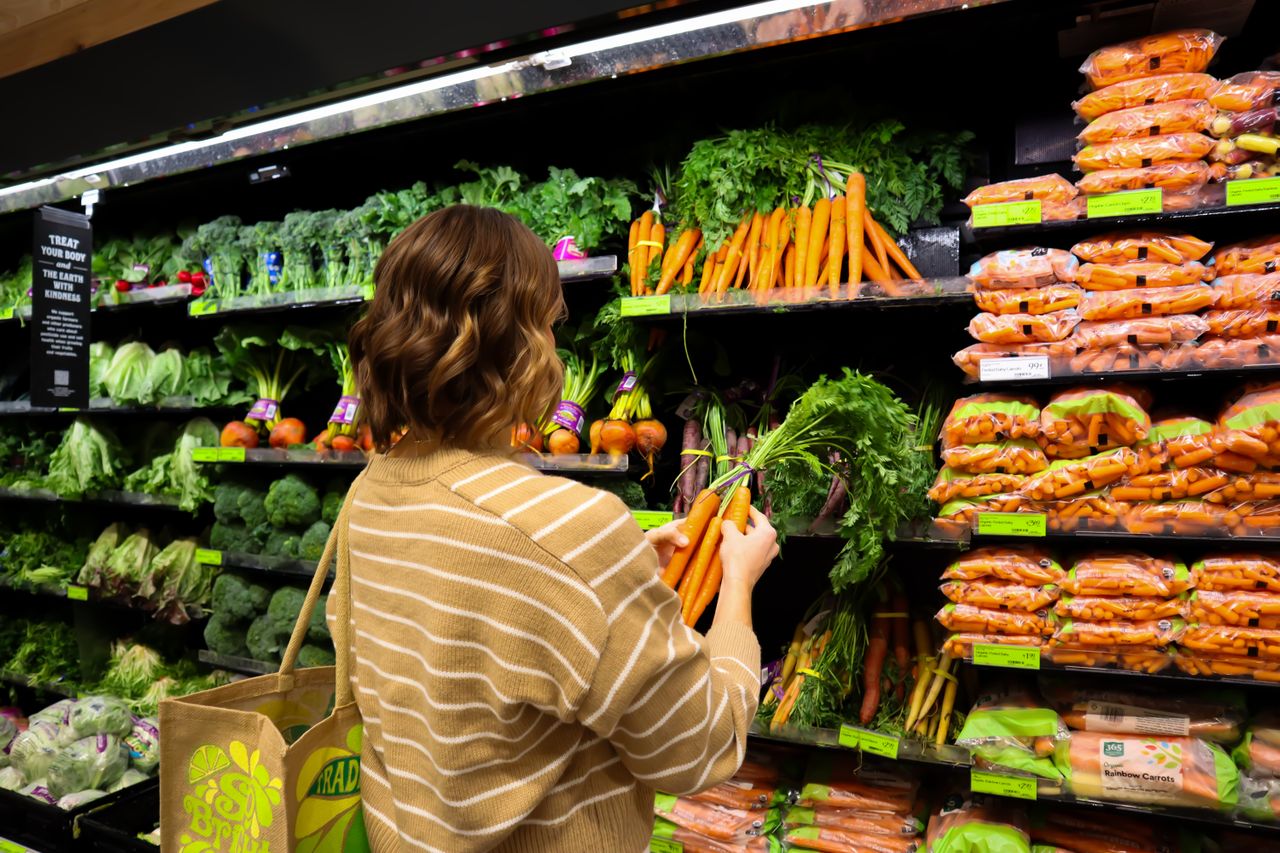
Buying local food supports nearby farmers and strengthens regional economies. Nevertheless, “local” doesn’t always mean “more sustainable.” A tomato grown in a heated greenhouse nearby, for example, might use more energy than one shipped in-season from farther away.
Because of this, the real goal is building efficient, transparent supply chains, not simply choosing the nearest option.
How Technology Is Transforming Food Systems?
Modern tools are reshaping how food gets grown and delivered. Precision agriculture, for instance, uses sensors and drones to apply water and fertilizer exactly where needed. Meanwhile, improved crop varieties resist drought, heat, and disease more effectively than ever.
Cold-storage systems also cut post-harvest losses, particularly in regions with limited infrastructure. Ultimately, though, technology should support, not replace, traditional farming wisdom.
Supporting Farmers and Rural Communities
A truly sustainable food system must work economically for the people who grow our food. Small-scale farmers often struggle with unpredictable weather, unstable prices, and limited financing.
To address this, fair markets, training programs, crop insurance, and reliable transportation all strengthen farming livelihoods. Moreover, supporting women farmers and rural communities drives broader, more inclusive economic growth.
The Road Ahead for Sustainable Food Systems
Building a better food future requires teamwork among governments, businesses, scientists, and everyday consumers. Governments can encourage sustainable farming and cut food waste through smart policy. Businesses, meanwhile, can invest in cleaner supply chains and responsible sourcing.
As climate change accelerates, farmers will need systems that withstand heat, floods, and shifting seasons. Therefore, diversifying crops and protecting biodiversity will only become more urgent.
Conclusion: Why We All Have a Role to Play
In the end, sustainable food systems connect agriculture, health, technology, and community well-being into one shared goal: feeding the world without exhausting it. From healthier soil to smarter water use and reduced food waste, small changes add up to a big impact. By supporting responsible farming and mindful consumption today, we can help build food systems that remain healthy, resilient, and accessible for generations to come.