Renewable energy is no longer just a buzzword. It has become one of the most talked-about solutions for fighting climate change and building a stronger, safer economy. Countries around the world are shifting away from coal, oil, and gas. Instead, they are turning to solar, wind, hydropower, geothermal, and bioenergy. As a result, the way we power our homes, cars, and businesses is changing fast. This shift matters because it affects your electricity bill, your local job market, and the air you breathe every day.
Unlike fossil fuels, renewable energy comes from sources that refill themselves naturally. The sun keeps shining. The wind keeps blowing. Water keeps flowing through rivers and oceans. Therefore, these resources offer a long-term path to cleaner power that fossil fuels simply cannot match.
What Is Renewable Energy?
Renewable energy is power generated from natural sources that replenish over time. The most common types include solar, wind, hydropower, geothermal, and bioenergy. These sources can generate electricity, heat buildings, and even fuel vehicles.
For example, solar panels turn sunlight into electricity. Meanwhile, wind turbines capture moving air and convert it into power. Hydropower plants, on the other hand, use flowing water to spin turbines and generate energy.
Technology in this space has grown rapidly. As a result, renewable systems are now more affordable and practical than ever before. However, not every location benefits equally. Geography, climate, and local infrastructure still play a big role in deciding which renewable source works best.
Types of Renewable Energy Sources
Solar Energy
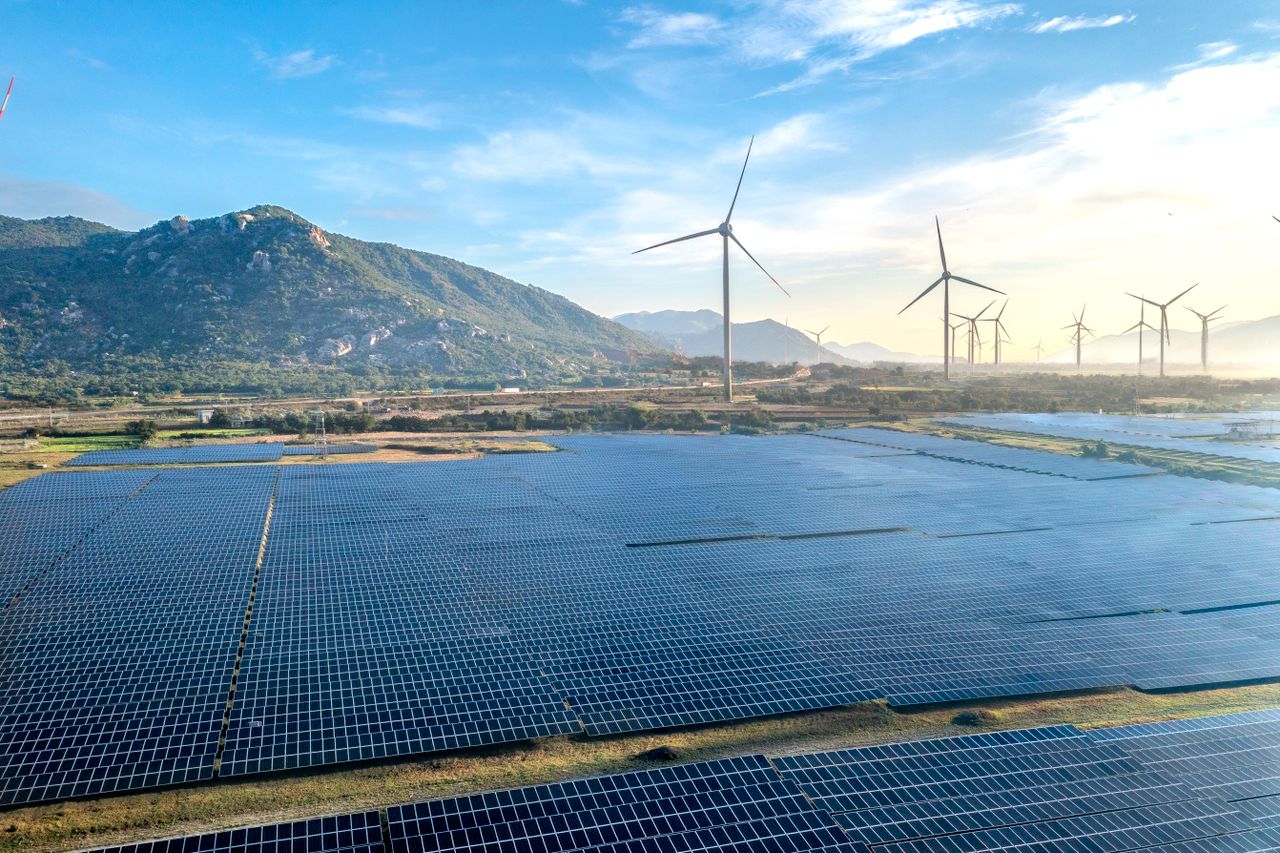
Solar energy is perhaps the most familiar form of clean power. It uses sunlight to create electricity or heat through photovoltaic panels or solar thermal systems.
One major advantage is flexibility. A small rooftop system can power a single home, while a large solar farm can supply electricity to thousands of households. Additionally, solar power produces no direct emissions while running. That said, output changes with weather, season, and time of day, so battery storage and grid support are often needed.
Wind Energy
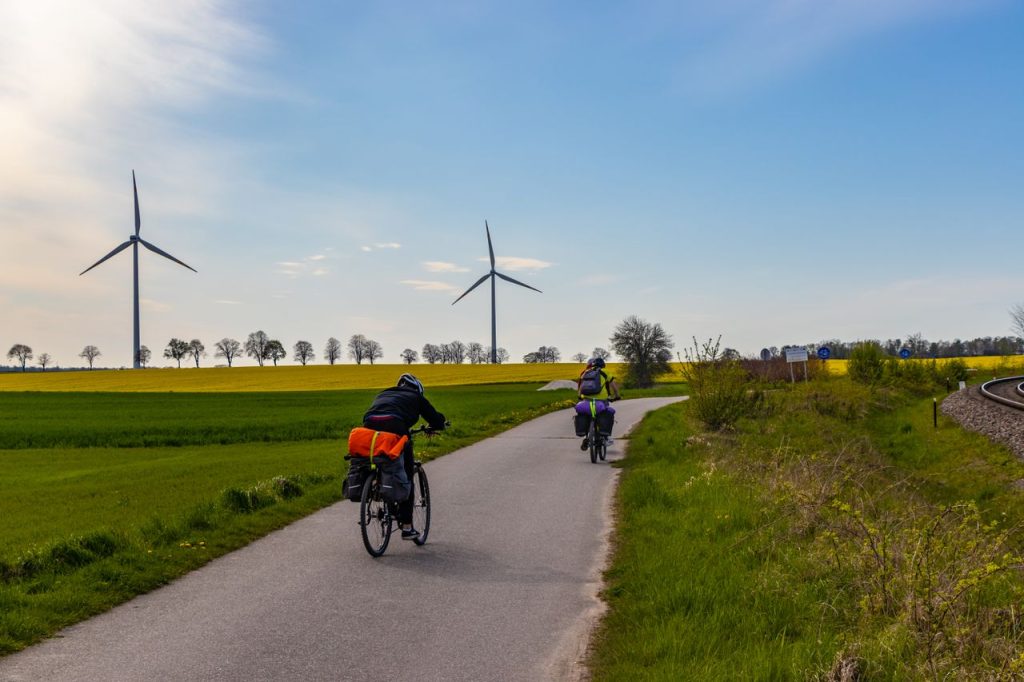
Wind energy relies on turbines to turn moving air into electricity. Wind farms can sit on land or far out at sea, where stronger winds often produce more power.
Because wind is free, there is no ongoing fuel cost. Still, planning matters. Developers must consider wildlife, noise, land use, and nearby communities before building. Offshore wind, meanwhile, is a growing frontier, though it requires more complex and costly construction.
Hydropower
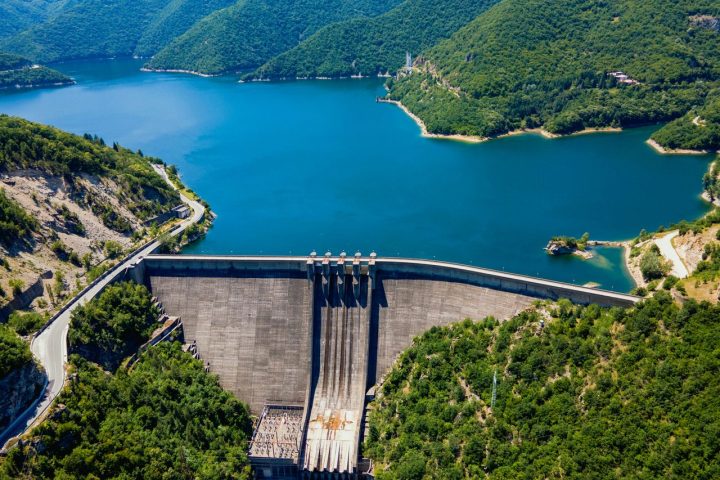
Hydropower generates electricity by using the natural movement of water. Large dams and reservoirs are the most familiar examples, though smaller “run-of-river” systems can generate power without major reservoirs.
This source has powered nations for decades and can respond quickly to changes in electricity demand. Nevertheless, large dam projects can disrupt river ecosystems, harm fish populations, and sometimes displace local communities. Careful planning is therefore essential.
Geothermal Energy
Geothermal energy taps into heat stored beneath the Earth’s surface. Unlike solar and wind, it does not depend on daily weather, so it can provide steady, reliable power.
This makes geothermal especially valuable in regions with strong underground heat activity. However, suitable locations are limited, and projects often require significant upfront investment.
Bioenergy
Bioenergy comes from organic material, known as biomass, including crop waste, forestry material, and food scraps. This material can be converted into heat, electricity, or fuel.
Interestingly, using waste for energy can also reduce landfill waste. That said, bioenergy is not automatically eco-friendly. Its impact depends heavily on how the biomass is grown, harvested, and transported.
Key Benefits of Renewable Energy
Renewable energy offers several clear advantages:
| Benefit | Why It Matters |
| Lower emissions | Reduces greenhouse gases linked to climate change |
| Energy security | Cuts reliance on imported fossil fuels |
| Job creation | Supports installation, manufacturing, and research careers |
| No ongoing fuel cost | Sunlight and wind are free once systems are built |
| Community investment | Land leases and local jobs boost rural economies |
Because of these benefits, more governments and businesses are investing heavily in clean power infrastructure.
Challenges Facing Renewable Energy
Despite its promise, renewable energy still faces real hurdles. Solar and wind power are variable, they don’t produce the same amount of electricity all the time. Consequently, energy storage has become critical. Batteries can store excess power and release it later, helping balance supply and demand.
Transmission is another issue. Renewable resources are not always near cities that need power the most. Building new transmission lines takes time and money.
Furthermore, manufacturing solar panels and turbines requires raw materials and energy. Mining, processing, and transportation all carry environmental costs. Thankfully, recycling programs and responsible sourcing can help reduce this impact over time.
Renewable Energy and Economic Growth
The clean energy sector has become a major economic force. Falling technology costs, supportive policies, and rising demand have fueled rapid growth worldwide.
Rural communities, in particular, benefit from land leases, local jobs, and new tax revenue tied to solar and wind projects. Meanwhile, new industries, such as smart grids, battery storage, and electric vehicles, continue to expand alongside the renewable sector.
How You Can Use Renewable Energy at Home?
You don’t need to wait for large-scale change to get involved. Here are a few practical steps:
- Install rooftop solar panels if your property allows it
- Sign up for a green energy program through your utility provider
- Upgrade to energy-efficient appliances
- Improve home insulation to reduce energy waste
- Consider an electric vehicle powered by cleaner electricity
Together, these small steps can meaningfully lower your household’s carbon footprint.
The Future of Renewable Energy
Looking ahead, the energy system will likely rely on a mix of renewable sources rather than just one. Solar and wind may supply the bulk of electricity, while hydropower, geothermal, and bioenergy add flexibility and reliability.
At the same time, energy efficiency will remain just as important. After all, the cleanest energy is often the energy we never need to produce in the first place. Advances in battery technology, smart grids, and long-duration storage will likely make renewable systems even more dependable in the years ahead.
Final Thoughts on Renewable Energy
Renewable energy represents far more than a simple swap from fossil fuels to cleaner alternatives. It’s about building a smarter, more resilient system that supports communities for generations to come.
Yes, challenges remain, from variable output to infrastructure needs. However, with continued innovation, smart policy, and public support, renewable energy can play a central role in meeting the world’s growing power needs while protecting the planet we all share.