Sustainable living is about making small, smart choices that protect the planet without turning your life upside down. It touches everything from how you eat to how you shop, travel, and use energy at home. As climate change and pollution grow more serious, more people are looking for practical ways to live greener. The good news? You don’t need a big budget or a total lifestyle overhaul to make a real difference.
What Is Sustainable Living?
Sustainable living means using resources wisely today so future generations can meet their needs too. It’s a balance between protecting the environment, spending responsibly, and still enjoying a comfortable life.
This lifestyle doesn’t mean giving up modern comforts. Instead, it encourages you to think before you consume. You can conserve water, save energy, cut down on waste, and still live well. In short, sustainable living is about progress, not perfection.
Why Does Sustainable Living Matter?
Every day, homes and businesses use huge amounts of energy, water, and raw materials. Heating, transportation, and food production all add up. Consequently, when we use resources faster than nature can replace them, problems like pollution and climate change get worse.
However, individual actions still count. When millions of people adopt eco-friendly habits, they create demand for greener products and smarter policies. Additionally, sustainable choices often save money. Lower electricity bills, less fuel spending, and fewer impulse purchases all add up over time. So, sustainability isn’t just good for the earth, it’s good for your wallet too.
Easy Sustainable Living Tips You Can Start Today
Cut Down on Energy Use
Start at home. Turn off the lights when you leave a room. Unplug devices you’re not using. Switch to LED bulbs, since they last longer and use less power. Furthermore, a smart thermostat and good insulation can lower your heating and cooling costs significantly. If it’s an option, look into solar panels or a renewable energy plan.
Save Water Every Day
Fix leaky faucets right away. Take shorter showers, and turn off the tap while brushing your teeth. Also, run your dishwasher and washing machine only with full loads. Outdoors, water your plants early in the day to reduce evaporation, and consider drought-tolerant plants for your garden.
Eat More Sustainably
Food production uses a lot of land, water, and energy. Therefore, eating more plant-based meals can lower your environmental footprint. You don’t need to go fully vegetarian; even swapping a few meat-based meals each week helps. Meanwhile, plan your grocery list ahead of time to avoid food waste, and try composting scraps instead of tossing them in the trash.
Choose Reusable Over Disposable
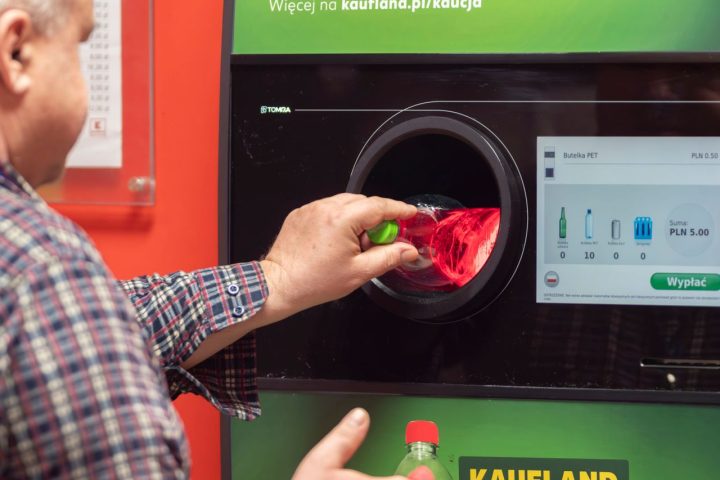
Single-use items pile up fast. Instead, switch to reusable water bottles, coffee cups, shopping bags, and containers. The key is consistency: use what you buy, rather than collecting eco-products you rarely touch.
Shop with Purpose
Before buying anything, ask yourself: Do I really need this? Will I use it often? As a result, this simple habit reduces clutter and waste. Also, consider secondhand shopping for clothes, furniture, and electronics. When you do buy new, look for durable, well-made products from companies with transparent practices.
Reduce, Reuse, Repair, Recycle
Reducing consumption should always come first. Then, reuse items whenever possible, and repair what’s broken instead of replacing it. Recycling is helpful too, but only when done correctly, so always check your local recycling rules.
| Habit | Environmental Benefit | Money Saved |
| Switch to LED bulbs | Lower energy use | Reduced electric bill |
| Air-dry clothes | Less energy consumption | Lower utility costs |
| Buy secondhand | Less waste, fewer new resources | Lower purchase cost |
| Cook at home | Less packaging waste | Reduced food spending |
| Fix leaky faucets | Saves gallons of water | Lower water bill |
Pick Greener Ways to Travel
Walking, cycling, carpooling, and public transportation all cut fuel use and emissions. If you need a car, a fuel-efficient, hybrid, or electric vehicle is worth considering. Even combining errands into one trip makes a difference.
Build a Sustainable Home Without Overspending
A sustainable home doesn’t need to cost a fortune. Use natural light during the day, air-dry your clothes when you can, and keep appliances well-maintained. Similarly, buying secondhand furniture or repairing what you own instead of replacing it reduces waste and saves cash.
Sustainable Living on a Budget
Many people assume sustainability means spending more. In reality, it’s often the opposite. Using less electricity and water lowers your bills. Cooking at home cuts food costs. Buying secondhand and repairing items delays new purchases altogether. Consuming less is, in fact, one of the most affordable ways to live sustainably.
Why Community Matters in Sustainable Living?
Individual habits matter, but change grows faster together. Community gardens, farmers’ markets, local recycling programs, and repair events make sustainable choices easier for everyone. Additionally, supporting businesses with responsible practices sends a clear message that sustainability matters to consumers.
The Future of Sustainable Living
Looking ahead, technology will likely open new doors, bring better renewable energy, efficient appliances, electric vehicles, and smarter recycling systems. Still, technology alone won’t solve everything. Our habits and attitudes need to shift, too.
Final Thoughts on Living Sustainably
Sustainable living isn’t about being perfect. It’s about small, steady choices that add up over time. Conserve energy, waste less food, reuse what you already own, and think before you shop. These simple shifts protect the planet while often saving you money too. Start with one habit this week, and let it grow from there; that’s how lasting change begins.