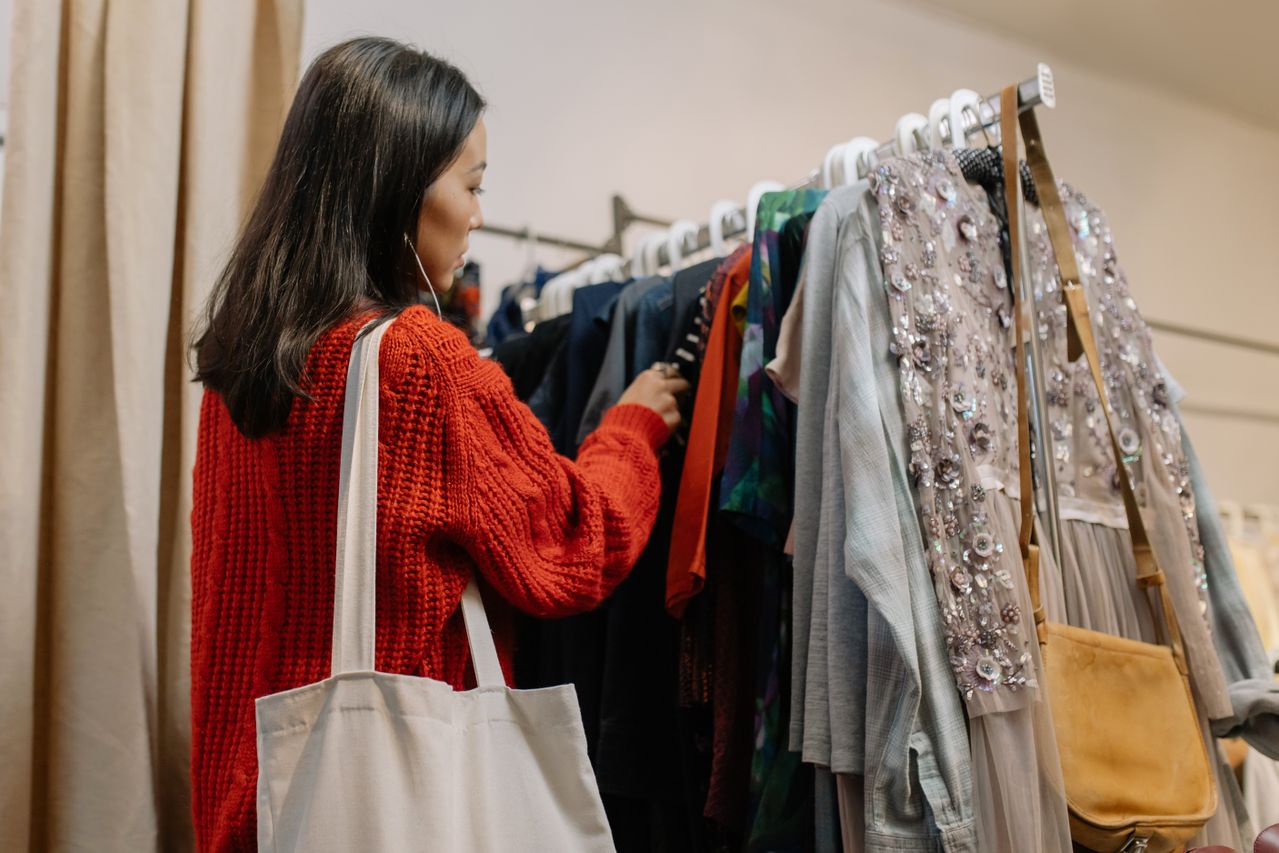
Sustainable fashion is no longer a niche idea, it’s a practical way to dress that saves money, cuts waste, and protects the planet. As more shoppers worry about pollution, landfill waste, and unfair factory conditions, sustainable fashion offers a simple alternative to the buy-and-toss habits of fast fashion. Instead of chasing every new trend, it encourages people to buy fewer pieces, choose better quality, and keep clothes in use longer.
What Is Sustainable Fashion, Really?
In short, sustainable fashion means clothing made with the environment and workers in mind. It covers the entire life of a garment, from the cotton field or factory to your closet, and eventually to a donation bin or recycling center.
Traditional clothing production often uses huge amounts of water, energy, and chemicals. Sustainable fashion tries to lower this impact through better materials, fairer factories, and clothes designed to last. As a result, one brand might switch to organic cotton or recycled fibers, while another focuses on fair wages and local production. Either way, the goal stays the same: less harm, more value.
Why Sustainable Fashion Matters More Than Ever?
The Water and Carbon Cost of Clothes
Clothing production is thirsty work. For example, it takes roughly 7,500 litres of water to make just one pair of jeans, about as much as a person drinks over seven years, according to the United Nations. Meanwhile, the fashion industry is responsible for an estimated 2-8% of global carbon emissions, and the UN Environment Programme warns those emissions could climb sharply if consumption habits don’t change.
Consequently, every purchase carries a hidden environmental price tag that’s easy to overlook at checkout.
The Growing Textile Waste Problem
On top of that, waste is piling up fast. Today, people buy far more clothing than they did fifteen years ago, yet keep each item for roughly half as long. Because of this shift, millions of garments are discarded every year, and many end up burned or buried rather than reused. Therefore, choosing durable, well-made pieces isn’t just a style choice, it’s a waste-reduction strategy.
Sustainable Materials Worth Knowing About
Not all fabrics are created equal, so material choice matters. Here’s a quick breakdown:
| Material | Why It Helps | Watch Out For |
| Organic cotton | Fewer synthetic pesticides/fertilizers | Still water-intensive |
| Linen & hemp | Naturally durable, low input | Depends on farming practices |
| Recycled polyester | Reuses plastic/textile waste | Sheds microplastics when washed |
| Innovative fibers (mushroom, algae, agri-waste) | Emerging low-impact options | Still scaling; verify claims |
Ultimately, no single fabric is automatically “green.” Instead, the real impact depends on farming, processing, transport, durability, and how the item is cared for and eventually disposed of.
The Trouble With Fast Fashion
Fast fashion made trendy clothes cheap and instantly available, but that convenience comes at a cost. Because prices are so low, it’s easy to buy on impulse without asking whether an item will actually get worn. Many of these garments are also poorly made, so they wear out quickly and get replaced even faster.
Additionally, fast fashion supply chains have faced repeated criticism over low wages, unsafe factories, and excessive hours for workers. Sustainable fashion pushes back against this model by favoring transparency, fair labor, and clothes built to last.
6 Easy Ways to Build a Sustainable Wardrobe
You don’t need a wardrobe overhaul to make a difference. Instead, try these simple habits:
- Buy less, choose well. Before purchasing, ask if you’ll actually wear it often.
- Check the construction. Strong stitching, sturdy zippers, and quality fabric last longer.
- Shop secondhand. Thrift stores and resale apps extend a garment’s life and cut demand for new production.
- Wash smarter. Wash only when needed, use cooler water, and skip the dryer when you can.
- Repair instead of replace. A quick stitch or new button can save a garment from the trash.
- Rent for one-time events. Renting outfits avoids buying clothes you’ll wear only once.
How to Spot a Genuinely Sustainable Brand?
Meanwhile, brands play a huge role too, since they control materials, factories, and packaging decisions. However, shoppers should stay alert to vague marketing terms like “eco-friendly” or “green,” which don’t explain much on their own.
Instead, look for:
- Specific material breakdowns (not just “sustainable fabric”)
- Named certifications (GOTS, Fair Trade, OEKO-TEX)
- Clear supply-chain transparency
- Measurable goals, not just feel-good slogans
Sustainable Fashion and the Circular Economy
Rather than the usual “make, buy, toss” cycle, a circular economy keeps clothing and materials in use for as long as possible. This can include repairing garments, reselling them, renting outfits, or recycling old textiles into new fibers. Some brands now run take-back programs that collect worn-out clothing for reuse or recycling, which helps close the loop and reduce landfill waste.
Is Sustainable Fashion Actually Expensive?
Not necessarily. While some ethical brands do charge more, because fair wages and better materials cost money, sustainability isn’t only about buying pricier labels. In fact, buying fewer items, shopping secondhand, repairing clothes, and choosing versatile pieces can all support a greener wardrobe on almost any budget.
Think of it this way: a $30 shirt worn once delivers less value than a $60 shirt worn fifty times. So, cost-per-wear, not price tag alone, is the better way to judge value.
Final Thoughts: The Future of Sustainable Fashion
Looking ahead, the future of fashion will likely blend better technology, responsible business practices, and smarter shopping habits. Advances in textile recycling, low-impact dyes, and supply-chain tracking are already gaining momentum. Even regulators are stepping in, the EU, for instance, is introducing rules against unsold-clothing waste and misleading “eco-friendly” claims.
Above all, sustainable fashion doesn’t demand perfection. It simply asks for more thoughtful choices, buying less, choosing quality, caring for what you own, and supporting brands that treat people and the planet fairly. Small, consistent changes add up, and together they can reshape fashion into something that lasts.