Sustainable businesses are no longer a small trend. They are becoming the new normal for companies, customers, and even governments. As a result, more brands are asking one key question: how can a company grow while also protecting people and the planet? A sustainable business is not just a company that uses recycled boxes. Instead, it is a company that thinks carefully about how its choices affect workers, customers, communities, and the environment, both today and in the future.
In the past, most companies measured success only through profit and growth. However, this view is changing fast. Today, many businesses look beyond sales numbers. They also track their environmental footprint, how fairly they treat workers, and how much value they create for society. Because of this shift, sustainable companies are becoming stronger, more trusted, and more competitive.
What Are Sustainable Businesses?
A sustainable business meets today’s needs without harming the ability of future generations to meet theirs. In practice, this means sustainability touches almost every part of a company. This includes sourcing, manufacturing, transport, energy use, packaging, hiring, marketing, and waste management.
For example, a clothing brand may use organic fabrics, cut water use during production, and pay fair wages. Similarly, a tech company might reduce electronic waste, switch to clean energy, and design gadgets that are easier to repair. In short, sustainability works best when it is part of a company’s core strategy, not just a marketing slogan.
Why Sustainability Matters for Every Business?
Businesses use large amounts of energy and raw materials every day. Consequently, their operations can add to pollution, deforestation, and climate change. Sustainable businesses try to lower this damage. They often switch to renewable energy, reduce waste, save water, and choose eco-friendly materials.
In addition, customer habits are changing quickly. Many shoppers now prefer brands that share their values. Therefore, companies that respond to this demand often build stronger customer loyalty and a better brand reputation.
Quick Snapshot: Why Sustainability Pays Off
| Business Area | Sustainable Action | Main Benefit |
| Energy | Switch to solar or wind power | Lower long-term costs |
| Supply Chain | Work with ethical suppliers | Reduced business risk |
| Packaging | Use recycled or minimal materials | Less waste, lower fees |
| Employees | Offer fair pay and safe conditions | Higher staff retention |
| Products | Design for repair and reuse | Stronger customer trust |
Building a Sustainable Supply Chain
A company’s sustainability depends heavily on its supply chain. Even if an office runs on clean energy, the overall impact can still be high if suppliers use harmful materials or unfair labor practices. Because of this, many businesses now check where materials come from and how goods are made.
Furthermore, sourcing materials locally can cut transport emissions. Likewise, choosing nearby suppliers can shorten delivery times. Overall, a transparent supply chain helps a business spot risks early, before they turn into bigger problems.
Renewable Energy and Smarter Energy Use
Energy use is one of the biggest factors in business sustainability. Fortunately, companies now have many affordable ways to cut their energy impact. These include:
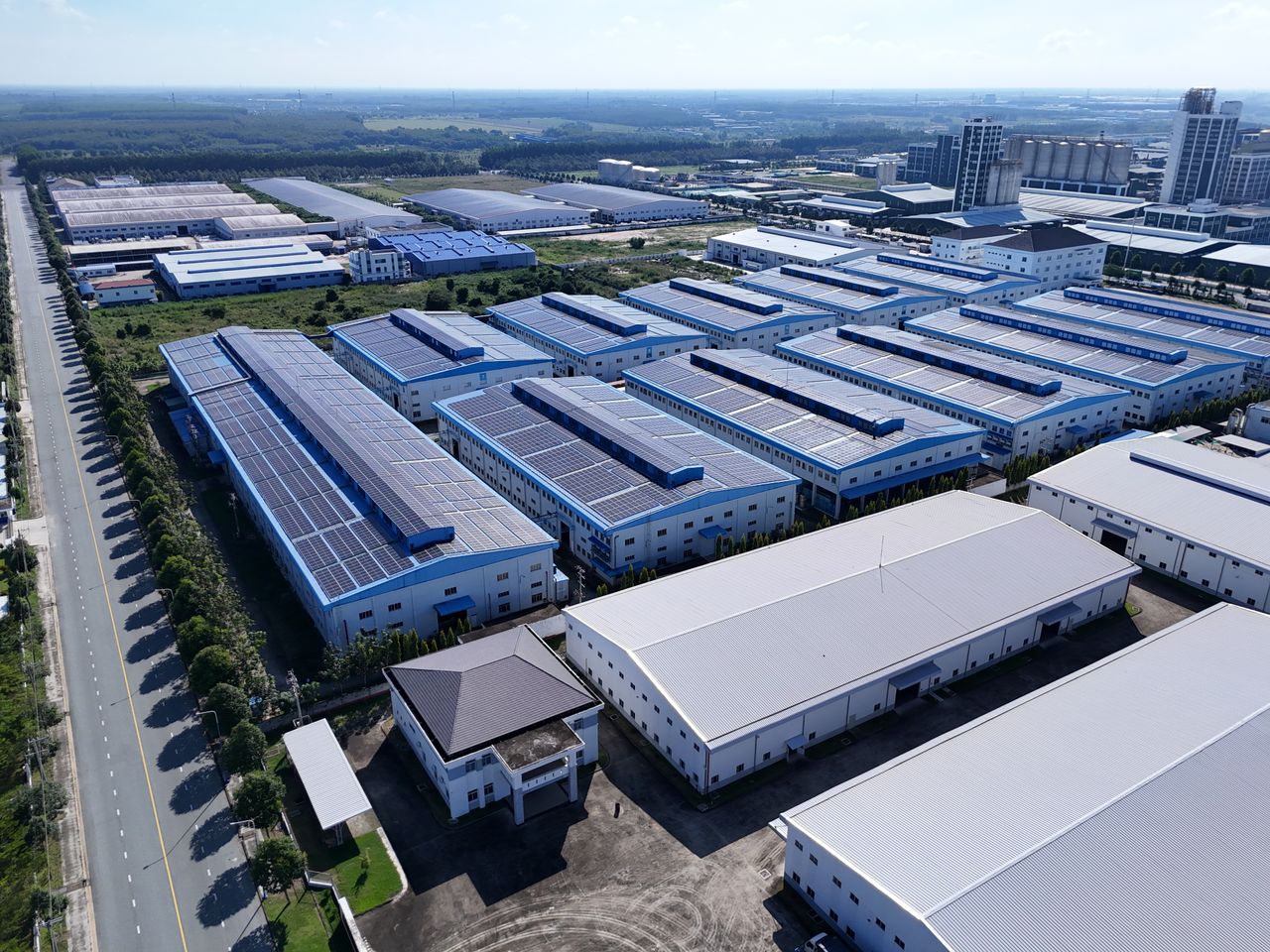
- Installing solar panels
- Buying renewable electricity plans
- Upgrading to energy-efficient lighting
- Improving building insulation
- Using smart systems to manage energy automatically
Meanwhile, small daily habits, like turning off unused equipment, also add up over time. As a result, businesses can lower both their carbon footprint and their monthly bills.
Sustainable Products and Packaging
Product design plays a major role in sustainability. Companies can build products that use fewer raw materials, last longer, and are easier to recycle. Likewise, smart packaging choices, such as recycled paper or reusable containers, can reduce unnecessary waste.
However, brands must be careful with their claims. Vague terms like “eco-friendly” mean little without proof. Instead, businesses should back up every claim with clear, measurable action. This approach also helps companies avoid greenwashing, a growing concern among today’s shoppers.
Cutting Waste the Smart Way
Reducing waste helps both the environment and the company’s budget. First, a business should find out exactly where waste comes from. Then, it can build a plan to reduce it step by step.
For instance, factories can fine-tune production to use fewer raw materials. Similarly, restaurants can manage food stock more carefully to avoid spoilage. Offices, meanwhile, can move to digital systems and cut paper use. Recycling helps, but reducing and reusing materials often creates a bigger impact. This idea sits at the heart of the circular economy model.
Supporting Employees Fairly
Sustainability is not only about the environment. People matter just as much. Companies that care for employee well-being often build safer, happier, and more productive workplaces.
Fair wages, safe conditions, and room for growth all support long-term staff satisfaction. Additionally, a diverse and inclusive workplace brings fresh ideas and better decisions. Therefore, businesses that invest in their people usually keep top talent longer.
Is Sustainability Expensive? Not Always
Some business owners worry that going green costs too much. Yet, in many cases, sustainable choices pay off over time. Energy-efficient tools lower utility bills. Waste reduction cuts disposal costs. Durable products build customer trust.
Moreover, sustainability opens new markets. Shoppers increasingly want sustainable clothing, electric vehicles, plant-based food, and eco-friendly services. Businesses that spot this trend early often gain a real edge over competitors.
Common Challenges Along the Way
Becoming sustainable is not always simple. Small businesses often face tight budgets, which can make renewable energy or expert consultants hard to afford. Likewise, tracking a global supply chain can be difficult when suppliers work across many countries.
Another major issue is greenwashing, where a company claims to be “green” without real proof or action. This can quickly damage customer trust. To avoid it, businesses should set clear goals, track real progress, and share honest updates.
How Any Business Can Start Going Green?
A company does not need to change everything overnight. Instead, it can begin with a simple sustainability check to understand its current impact. From there, it can set realistic goals, such as cutting energy use, reducing packaging, or increasing recycling rates.
Next, training employees and encouraging green habits across teams can speed up progress. Finally, working with suppliers, local governments, and nonprofit groups can help a business find better, faster solutions.
The Future of Sustainable Businesses
Looking ahead, sustainability will likely shape nearly every industry. New rules, shifting customer expectations, and climate risks will all push companies to rethink how they operate. Meanwhile, technology like AI and data tools will help businesses track energy use, manage supply chains, and cut waste more precisely.
The circular economy will also keep growing in importance. Rather than a “make, use, throw away” model, more businesses will design products for repair, reuse, and recycling from the very start.
Final Thoughts
Sustainable businesses are shifting how the world thinks about success. Their goal is not just profit, but long-term value for people and the planet. From clean energy and ethical supply chains to fair wages and honest marketing, sustainability now touches nearly every corner of a company.
Businesses that embrace this shift often see lower risks, stronger customer loyalty, and new growth opportunities. As sustainability becomes a bigger part of everyday choices, companies that act now will be better prepared for the future.