Sustainable infrastructure is no longer just a buzzword. It has become a real priority for cities, governments, and communities across the world. As populations grow and climate risks rise, old-style roads, buildings, and power grids can no longer meet today’s needs. Therefore, planners are turning to smarter, cleaner, and more resilient systems that protect both people and the planet.
At its heart, sustainable infrastructure blends four things: environmental care, economic sense, social fairness, and long-term strength. Instead of only looking at how much a project costs to build, planners now study its full life cycle. This includes the materials used, the energy it needs to run, how it is maintained, and what happens once it wears out.
What Is Sustainable Infrastructure?
Sustainable infrastructure refers to systems built, operated, and maintained in ways that minimize environmental harm. At the same time, it delivers reliable, affordable services to people. Examples include renewable energy grids, green buildings, public transit, eco-friendly roads, and climate-resilient structures.
For instance, a typical building often runs on fossil-fuel electricity and uses large amounts of water. A sustainable building, however, may use solar panels, efficient lighting, natural airflow, rainwater collection, and recycled materials. As a result, it lowers both environmental impact and operating costs.
Importantly, sustainability is not only about new construction. Older buildings and systems can also be upgraded. Cities can add energy-efficient technology, water-saving devices, solar panels, and better recycling systems to existing infrastructure.
Why Sustainable Infrastructure Matters Now?
Tackling Climate Change
Climate change is one of the biggest reasons sustainable infrastructure matters today. Buildings and transport use huge amounts of energy. Meanwhile, construction consumes raw materials at a fast pace. At the same time, floods, heatwaves, and storms damage roads, bridges, and power lines.
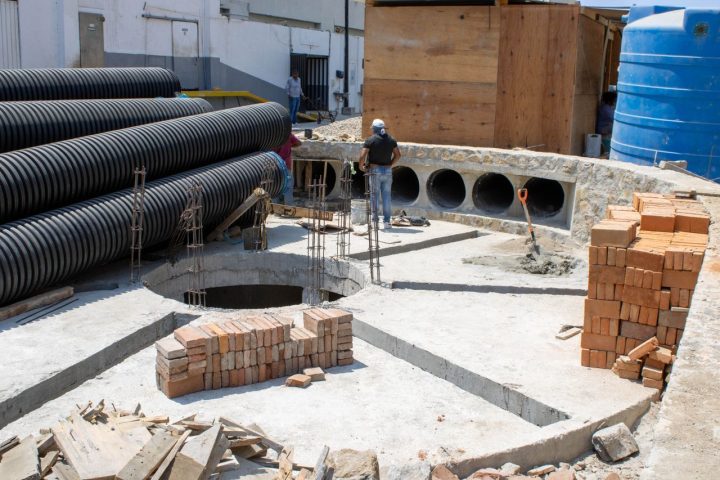
Sustainable infrastructure addresses both problems at once. Energy-efficient buildings and clean power systems cut greenhouse gas emissions. Meanwhile, resilient drainage systems and stronger structures can better withstand extreme weather.
Protecting Natural Resources
Additionally, natural resources like water, timber, and fossil fuels are limited. Sustainable infrastructure promotes smarter use of these resources. Consequently, this reduces pressure on ecosystems and saves resources for future generations.
Sustainable Transportation Solutions
Transportation plays a major role in reducing environmental damage. While roads remain essential, cities can invest in public transit, cycling paths, walking trails, and electric-vehicle charging stations.
For example, reliable public transport reduces the number of private cars on the road. This lowers traffic jams, fuel use, and air pollution. Furthermore, electric buses and trains powered by clean energy cut emissions even more.
Safe and well-designed pedestrian paths and bike lanes also encourage healthier lifestyles. In turn, this improves air quality across cities.
Renewable Energy Infrastructure
Energy systems form another core pillar of sustainability. Traditional power plants that rely on coal and oil release large amounts of greenhouse gases. In contrast, sustainable infrastructure supports solar, wind, hydropower, and geothermal energy.
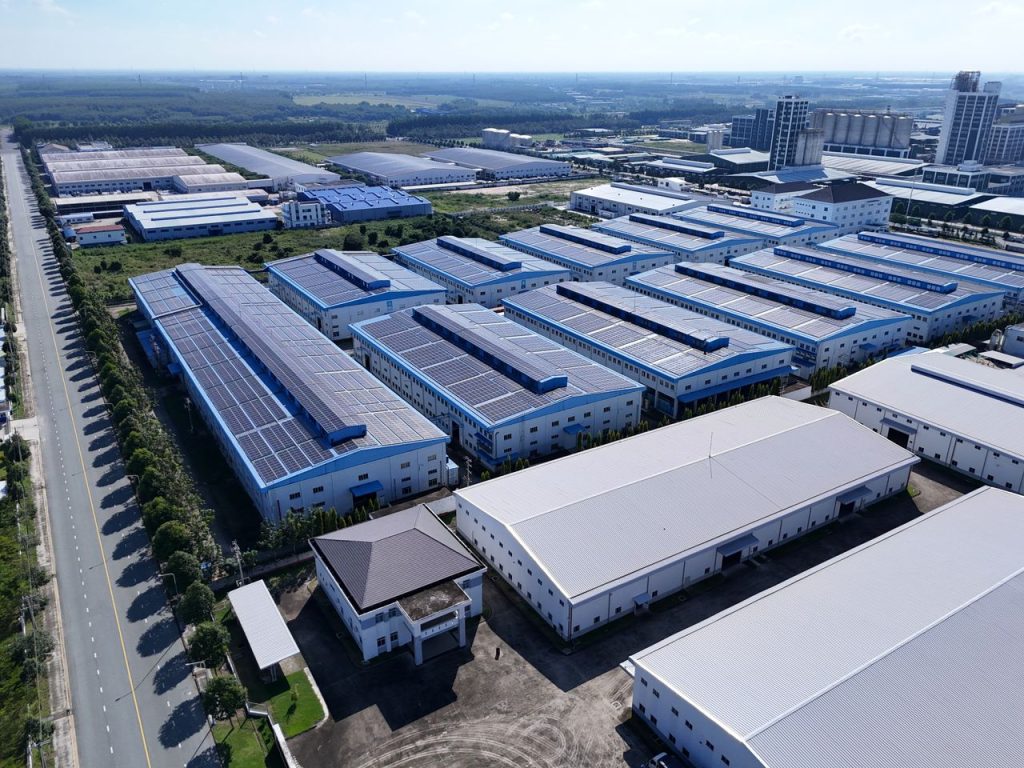
Solar panels on homes, schools, and offices generate clean power locally. Meanwhile, large wind and solar farms can supply entire communities. Battery storage systems also help save extra energy for times when demand is high.
Additionally, smart grids use digital tools to track energy use and manage supply. This makes it easier to bring more renewable power into daily use.
Sustainable Buildings and Green Design
Buildings account for a large share of global energy use. Sustainable buildings, however, are designed to use less power and water while staying comfortable for people inside.
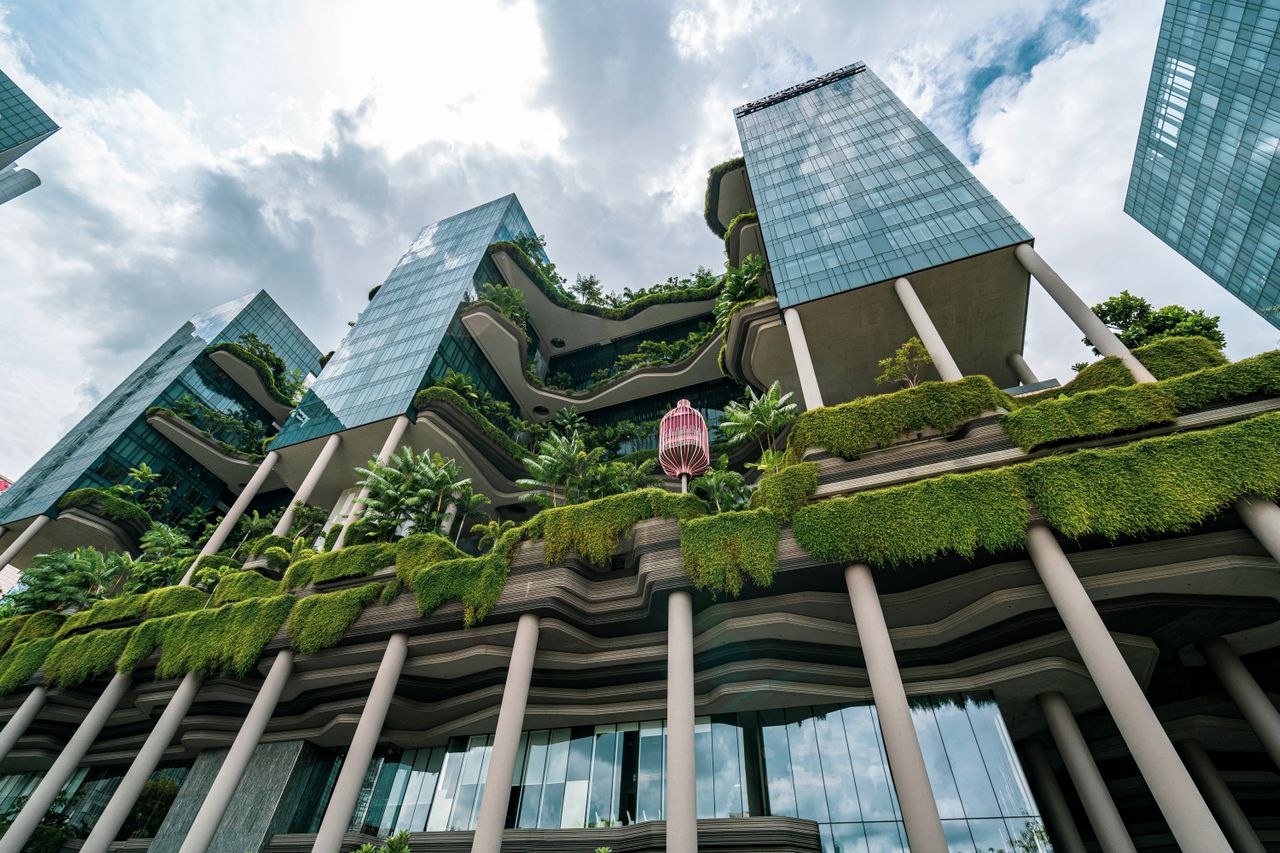
Better insulation, energy-efficient windows, and smart heating and cooling systems can cut energy use significantly. Many green buildings also include rooftop gardens, solar panels, and rainwater harvesting systems.
Although sustainable technology may cost more upfront, it often saves money over time through lower energy bills and maintenance costs.
Water and Waste Management Systems?
Clean water is essential for health, farming, and industry. Sustainable water systems focus on saving water, cutting leaks, and treating wastewater safely.
Rainwater harvesting collects rain for irrigation and other uses. Meanwhile, treatment plants clean wastewater before it returns to nature or gets reused. Smart water systems can also detect leaks early, saving both water and money.
Waste management matters just as much. Sustainable systems support recycling, composting, and waste-to-energy technology. Circular-economy practices keep materials in use longer instead of sending them to landfills.
Economic Benefits of Sustainable Infrastructure
Sustainable infrastructure is not only good for the environment, it also makes financial sense. Energy-efficient buildings cut utility bills. Meanwhile, renewable energy projects create jobs in manufacturing, installation, and maintenance.
Public transit investments also improve access to jobs and schools while cutting congestion costs. Furthermore, resilient infrastructure lowers repair costs after natural disasters.
Although sustainable projects may need higher upfront investment, the long-term savings usually outweigh the initial cost.
Social and Community Benefits
Infrastructure shapes people’s everyday lives. Therefore, sustainable infrastructure should be designed to serve everyone fairly.
Affordable public transport connects people to jobs, schools, and healthcare. Energy-efficient homes reduce household costs. Green public spaces also offer recreation areas while cooling down cities.
Community input matters too. When residents help shape infrastructure planning, projects tend to serve local needs better and last longer.
Key Challenges to Overcome
Despite its many benefits, sustainable infrastructure still faces hurdles. High upfront costs can make projects hard to finance, especially in developing areas. Limited technical skills, outdated rules, and access to new technology also slow progress.
Balancing environmental goals with economic and social needs is another challenge. A project might be great for the environment but too costly for some communities. As a result, success depends on careful planning and cooperation between governments, businesses, and citizens.
The Future of Sustainable Infrastructure
Technology will shape the next phase of sustainable infrastructure. Artificial intelligence, sensors, smart grids, and data-driven planning can make systems run more efficiently.
Cities are also becoming more connected. Smart traffic systems can manage congestion in real time, while intelligent energy networks match power supply with demand. Buildings may soon adjust lighting and temperature automatically based on weather and occupancy.
Resilience will also grow in importance. Future infrastructure must not only cut environmental harm but also help communities handle climate shifts and sudden disruptions.
Conclusion: Why Sustainable Infrastructure Is Worth It?
Sustainable infrastructure is a smart investment in the future of both people and the planet. By combining environmental care, economic value, social fairness, and new technology, it builds a path toward stronger, healthier communities.
From clean energy and green buildings to public transit and better waste systems, today’s infrastructure choices shape tomorrow’s world. Governments, businesses, and individuals all share responsibility for building this future. Ultimately, investing in sustainable infrastructure today means a cleaner, safer, and more resilient tomorrow for everyone.