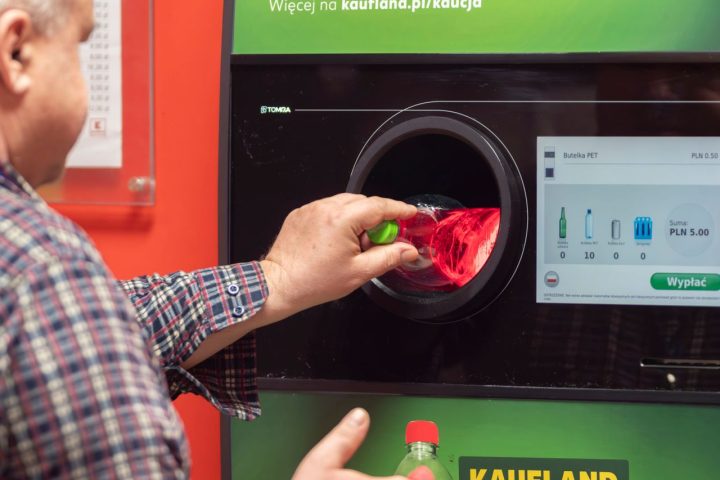
Green transportation is changing the way people move around the world. As cities grow and pollution rises, more people are looking for cleaner, smarter ways to travel. From electric cars to bicycles, green transportation offers many options that reduce environmental harm. This guide explains what it means, why it matters, and how you can make greener choices today.
What Is Green Transportation?
Green transportation refers to any mode of transportation that produces less pollution than traditional cars and trucks. It includes electric vehicles, public transit, walking, cycling, and carpooling. Instead of focusing on just one solution, green transportation looks at the whole system. That means the vehicles, the energy source, the roads, and even how often people travel all play a role.
Why Green Transportation Matters Today?
Transportation is one of the biggest sources of pollution worldwide. Cars and trucks burn fuel, releasing harmful gases into the air. As a result, cities often struggle with poor air quality and heavy traffic.
However, there is good news. Green transportation can lower these risks. It reduces fossil fuel use and helps cut harmful emissions. In addition, it can make daily life easier by reducing traffic and noise. Therefore, more cities are investing in cleaner travel systems.
Electric Vehicles: The Face of Green Transportation
Electric vehicles (EVs) are perhaps the most well-known part of green transportation. Instead of gasoline, EVs run on electric motors and batteries. As a result, they produce no tailpipe emissions while driving.
Still, EVs are not perfect. Their environmental benefit depends on how the electricity is made. If the power comes from clean sources, EVs are much greener. On the other hand, if it comes from coal, the benefit shrinks.
EVs also have fewer moving parts, so they often need less maintenance. However, buyers should consider a few things first:
- Higher upfront cost compared to gas cars
- Limited charging stations in some areas
- Charging time versus quick refueling
- Battery range on long trips
Even so, as technology improves, these challenges are becoming smaller each year.
Public Transportation: Moving More People, Using Less Energy
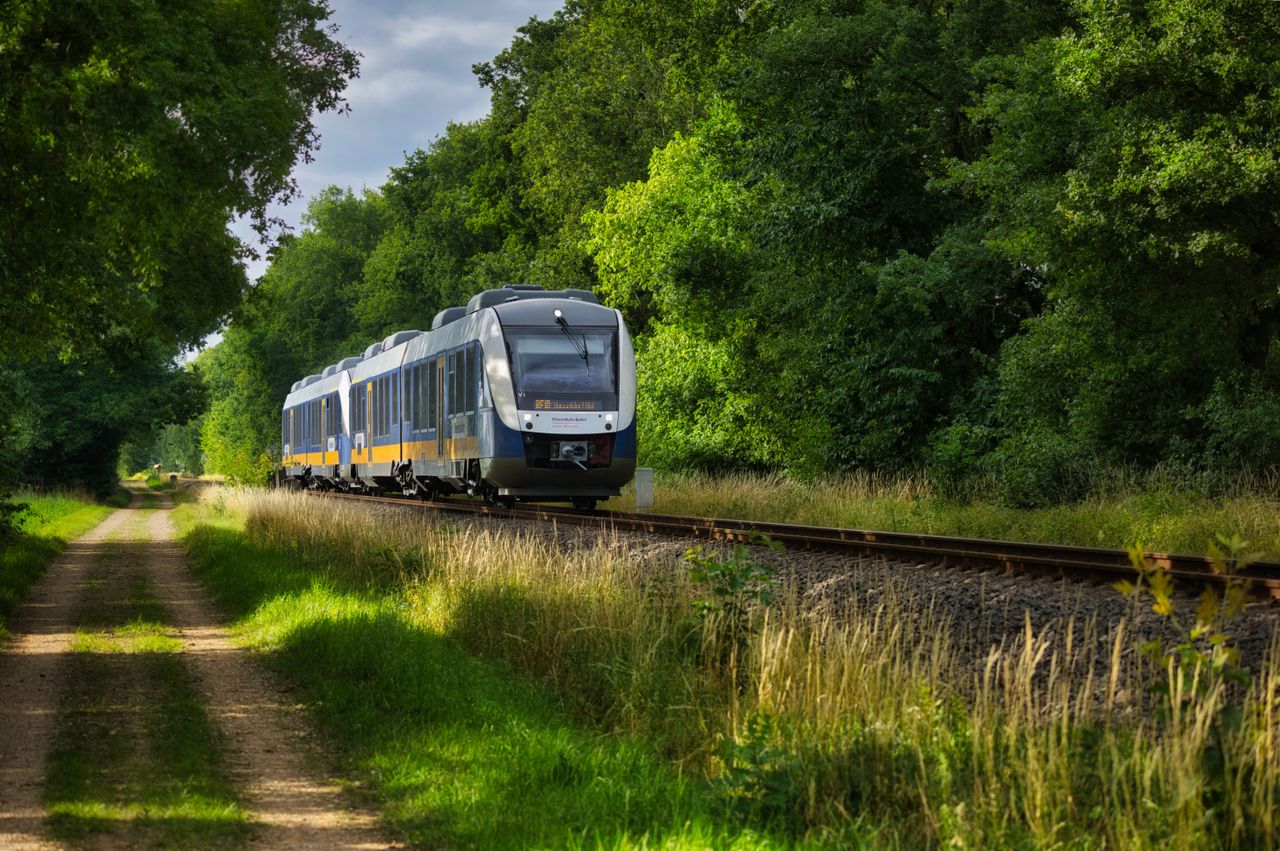
Buses, trains, and subways are core parts of green transportation. Because they carry many people at once, they use less energy per person than individual car trips. As a result, public transit can reduce both traffic and pollution.
Many cities are now switching to electric buses. This lowers emissions and reduces noise in busy areas. Still, for public transit to truly work, it needs to be reliable, affordable, and easy to access from homes, schools, and workplaces.
Walking and Cycling: The Simplest Green Choices
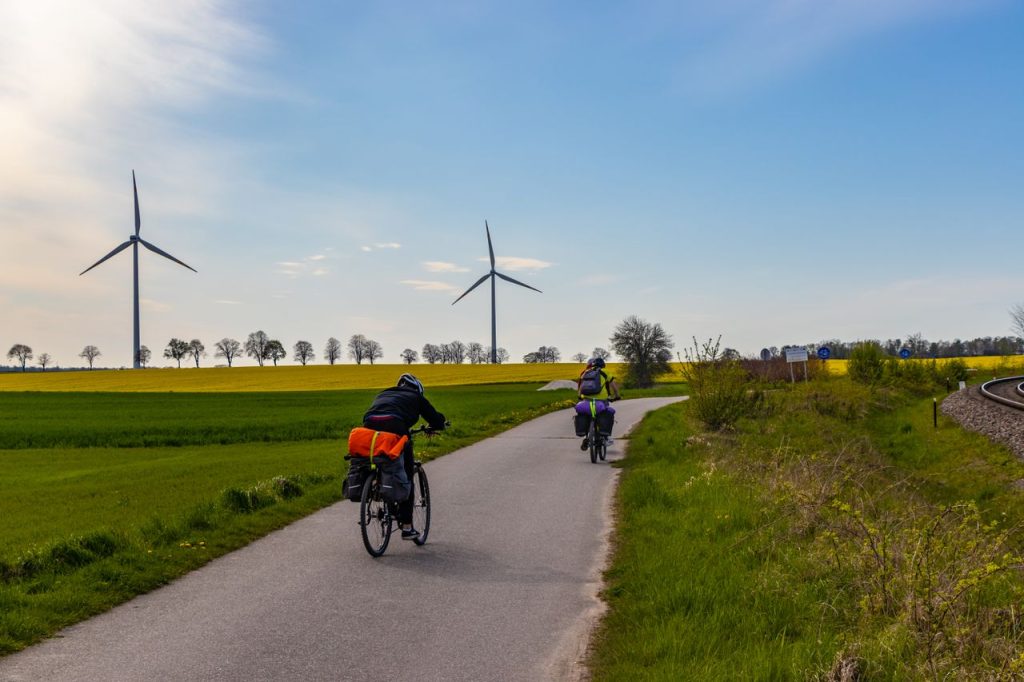
Walking and cycling are the cleanest forms of green transportation. They use no fuel and cause almost no pollution. Walking works well for short trips, while bikes can cover longer distances.
Electric bikes also make cycling easier for more people, especially on hills or longer routes. That said, safety matters. Cities need protected bike lanes, safe sidewalks, and good lighting to encourage more people to walk or cycle.
Carpooling and Ride Sharing
Not every trip can be done by walking or transit. In these cases, carpooling helps. When several people share one car, fewer vehicles are on the road. This lowers fuel use and cuts costs for everyone involved.
Ride-sharing apps can also help, but their benefit depends on how they are used. Shared rides can reduce traffic. However, empty trips between pickups can add extra emissions.
Infrastructure That Supports Green Transportation
Green transportation is not only about vehicles. Roads, stations, and city planning matter too. For example, cities can build:
| Infrastructure Type | Purpose |
| Charging stations | Support electric vehicle growth |
| Bike lanes | Protect cyclists and encourage cycling |
| Transit hubs | Connect buses, trains, and walking paths |
| Smart traffic systems | Reduce congestion and delays |
When housing, jobs, and shops are close together, people rely less on cars. This is often called transit-oriented development, and it makes sustainable travel easier for everyone.
Green Transportation and Air Quality
One of the biggest benefits of green transportation is cleaner air. Traditional vehicles release pollutants through exhaust, while electric vehicles do not. This matters most in crowded cities, where many people live near busy roads.
Even so, EVs are not fully pollution-free. Tires and brakes still create small particles, and building any vehicle uses resources. Because of this, reducing unnecessary car trips remains important, even as EVs become more common.
How Renewable Energy Fits In?
Renewable energy plays a key role in green transportation. Solar, wind, and hydropower can charge electric vehicles and power electric trains and buses. As power grids become cleaner, the benefits of electric transportation continue to grow.
How Businesses Can Support Green Transportation?
Companies can also help. For instance, they can encourage employees to walk, cycle, or use public transit. Remote work options can further cut down on daily commuting.
Businesses with delivery vehicles can also switch to electric or fuel-efficient options. Additionally, better route planning can lower fuel use during freight transportation.
Common Challenges to Green Transportation
Despite its benefits, green transportation faces real challenges. Electric vehicles often cost more upfront. Charging stations may be limited in rural areas. Public transit also needs long-term funding and planning.
Battery production requires minerals, which raises supply and environmental concerns. Thankfully, recycling programs and improved battery designs are helping to solve this over time.
Simple Ways Individuals Can Go Green
You don’t need a major life change to make a difference. Small steps add up over time:
- Walk or cycle for short trips
- Use public transit when available
- Carpool for regular commutes
- Combine errands into one trip
- Consider an electric or hybrid vehicle for your next car
The Future of Green Transportation
Looking ahead, green transportation will likely combine electric vehicles, public transit, cycling, and renewable energy. Battery technology continues to improve, and charging networks are expanding quickly. Meanwhile, cities are placing more focus on walkable streets and connected transit systems.
Final Thoughts on Green Transportation
In the end, green transportation is about more than electric cars. It includes walking, cycling, public transit, carpooling, and clean energy working together. By choosing greener options and supporting better infrastructure, individuals, businesses, and governments can build a cleaner, healthier future-one trip at a time.