Plastic pollution reduction is one of the biggest environmental goals of our time. Plastic is cheap, light, and useful. We use it in packaging, medicine, electronics, and clothes. But the same features that make plastic handy also make it dangerous when we throw it away carelessly. Because of this, more people, businesses, and governments are now searching for real ways to cut plastic waste and protect the planet.
What Is Plastic Pollution and Why It Matters?
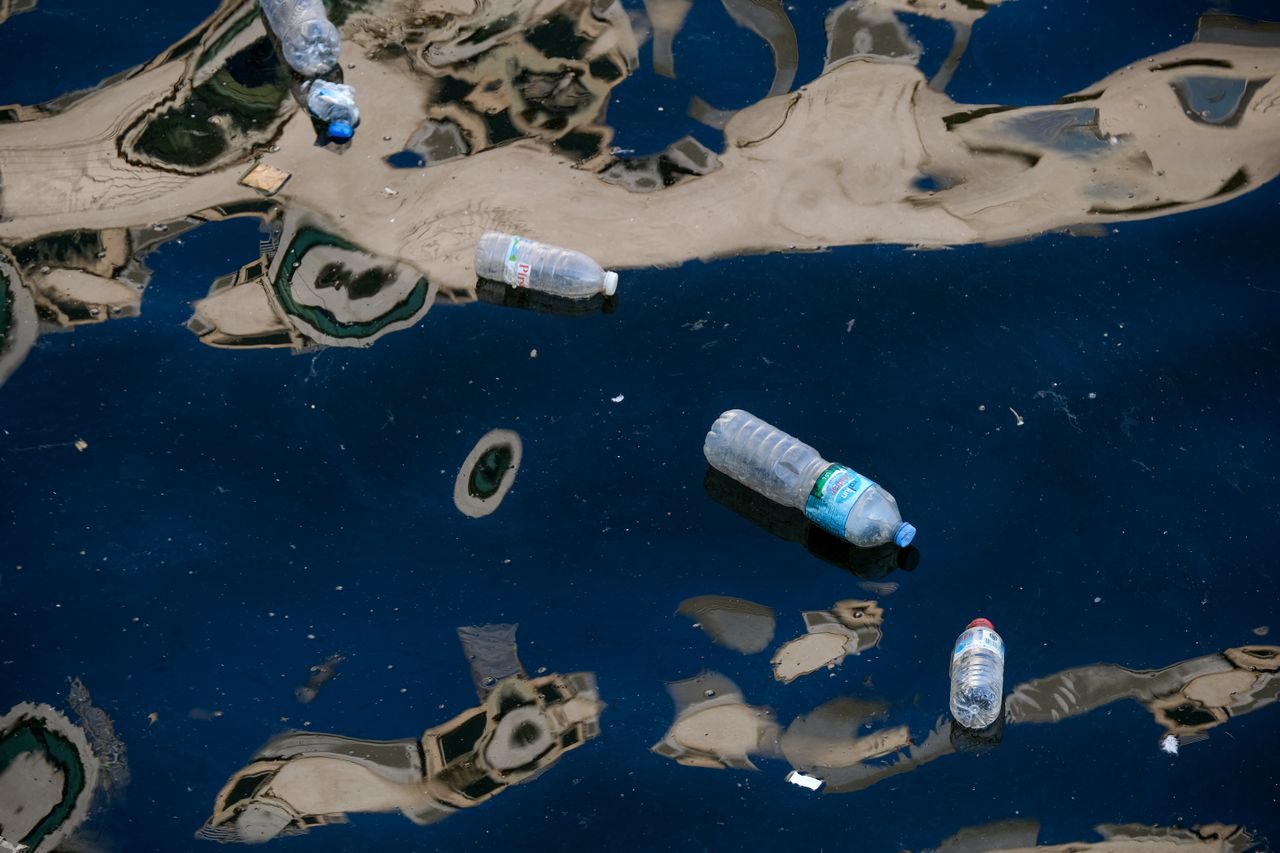
Plastic pollution happens when plastic waste builds up in nature instead of being properly managed. Bags, bottles, straws, and food containers often end up in rivers, streets, and oceans. Wind and rain carry lightweight plastic across long distances, so pollution rarely stays in one place.
Unlike wood or paper, plastic does not break down easily. Instead, it slowly breaks into tiny pieces called microplastics. These particles are hard to see and even harder to remove. As a result, they can stay in soil and water for many years, harming animals, plants, and even human health.
Cutting Down on Single-Use Plastics
The easiest place to start is with single-use plastics. Items like plastic cups, cutlery, and straws are used once and thrown away. However, they can remain in landfills or oceans for decades. Therefore, reducing our dependence on these items is one of the fastest ways to lower plastic pollution.
Smart Reusable Swaps You Can Start Today
Reusable products can replace many disposables, but only if we use them again and again. Here are a few simple swaps:
- Cloth shopping bags instead of plastic bags
- Steel or glass water bottles instead of plastic ones
- Reusable coffee cups instead of disposable cups
- Beeswax wraps or containers instead of cling film
Meanwhile, it’s worth remembering that a reusable item is only eco-friendly if it is used many times. So, choose products that are durable and that you will actually use often.
How the Circular Economy Supports Plastic Pollution Reduction?
A circular economy is a system where products are reused, repaired, and recycled instead of being thrown away after one use. This is very different from the old “make, use, throw away” model.
For example, some companies now offer refill stations for shampoo, soap, or cleaning products. Others run take-back programs, where customers return old packaging for reuse. As a result, fewer new materials are needed, and less plastic ends up in landfills.
The Truth About Plastic Recycling
Recycling helps, but it is not a perfect fix. Different types of plastic need different recycling processes. In addition, contamination, mixed materials, and poor sorting systems often make recycling harder than it sounds.
To improve this, better collection and sorting systems are needed. Clear labels can also help people recycle correctly. Meanwhile, manufacturers can design simpler packaging that is easier to break down and reuse.
Better Product Design From the Start
Plastic pollution reduction should begin before a product even reaches store shelves. Companies can design lighter packaging, remove unnecessary layers, and use recycled plastic when possible.
Furthermore, designing products so they can be taken apart easily makes recycling and repair much simpler. This approach, often called “life cycle thinking,” looks at a product from creation to disposal, not just its use.
Are Plastic Alternatives Really Better?
Paper, glass, metal, and compostable materials are often promoted as safer choices. However, these options are not automatically better in every case.
For instance, compostable packaging usually needs special industrial composting facilities, which are not available everywhere. Similarly, paper production can use large amounts of water and energy.
So, instead of simply switching materials, it is often more effective to reduce unnecessary packaging altogether and reuse what we already have.
Stopping Plastic Before It Reaches the Ocean
Ocean plastic pollution is one of the most visible environmental problems today. Most ocean plastic actually starts on land and travels through rivers and drains before reaching the sea.
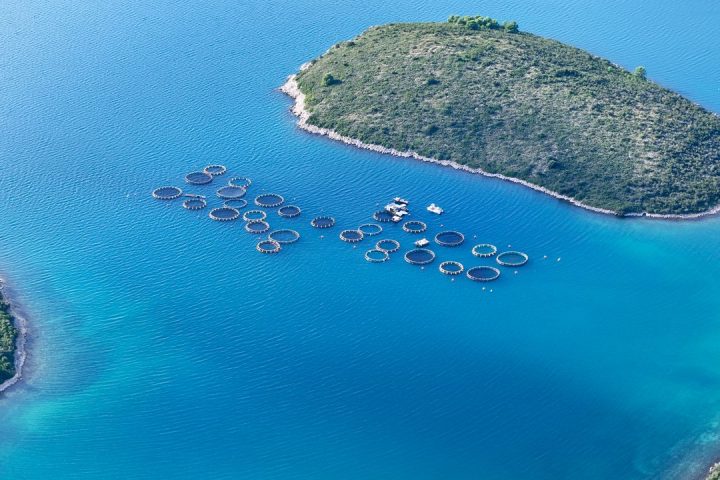
Therefore, preventing plastic pollution requires strong waste collection systems, better drainage management, and public education. Coastal cleanups help, but stopping plastic at the source is far more effective. The fishing industry also plays a role, since lost fishing nets and gear continue to trap marine animals for years.
What Governments and Businesses Can Do?
Governments can speed up plastic pollution reduction through smart policies. These may include:
| Policy Type | What It Does |
| Single-use plastic bans | Restricts unnecessary plastic items |
| Extended producer responsibility | Makes companies responsible for packaging waste |
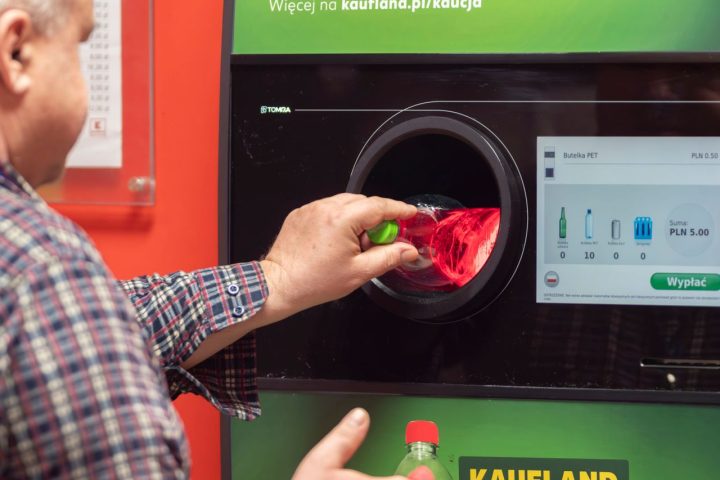
| Deposit-return systems | Rewards people for returning bottles and containers |
| Recycling targets | Sets clear national or regional goals |
Meanwhile, businesses can reduce plastic use by cutting unnecessary packaging, using recycled materials, and setting clear sustainability goals. Working together, governments, companies, and communities can create a stronger, cleaner system.
Everyday Actions You Can Take Right Now
You don’t need to wait for big policy changes to make a difference. Small daily habits add up over time:
- Carry a reusable bag and bottle
- Choose products with less packaging
- Sort your recycling correctly
- Repair items instead of replacing them
- Support brands with clear sustainability practices
Additionally, spreading awareness among friends and family can multiply your impact far beyond your own home.
Final Thoughts on Plastic Pollution Reduction
Plastic pollution reduction is not about giving up plastic entirely, it’s about using it wisely. By reducing what we don’t need, reusing what still works, and recycling what we can, we protect oceans, wildlife, and future generations.
Ultimately, real change happens when governments, businesses, and everyday people work together. Every reusable bag, every refill, and every smart choice brings us one step closer to a cleaner, more sustainable future.