Biodiversity conservation is one of the most urgent environmental goals of our time. It means protecting the huge variety of life on Earth, plants, animals, fungi, microorganisms, and the ecosystems they live in. From dense forests to open oceans, every habitat holds a delicate web of species working together. Therefore, when we lose one part of that web, the whole system feels the impact.
Our daily lives depend on biodiversity more than most people realize. Clean water, fresh food, life-saving medicines, and even the air we breathe all trace back to healthy ecosystems. However, deforestation, pollution, climate change, and overuse of natural resources are pushing wildlife and habitats to the edge. As a result, biodiversity conservation has become essential, not just for nature, but for human survival too.
What Is Biodiversity Conservation?
In simple terms, biodiversity conservation is the practice of protecting living things and their habitats. It includes stopping species extinction, saving natural landscapes, restoring damaged land, and using natural resources responsibly.
Conservation can happen on many levels. Some efforts protect a single species. Others focus on whole ecosystems or even genetic diversity within a species. Genetic diversity, in particular, helps populations survive diseases, climate shifts, and other unexpected changes.
Additionally, conservation work takes place almost everywhere, national parks, farms, cities, rivers, and oceans. Consequently, the most effective programs blend science, strong policy, and active community support.
Why Biodiversity Matters for People and the Planet?
Ecosystem Services We Depend On
Forests absorb carbon dioxide, release oxygen, and control rainfall patterns. Wetlands filter pollutants and reduce flooding. Meanwhile, oceans regulate global climate and provide food for billions of people. In short, nature quietly performs services that would cost trillions of dollars to replace artificially.
Biodiversity and Food Security
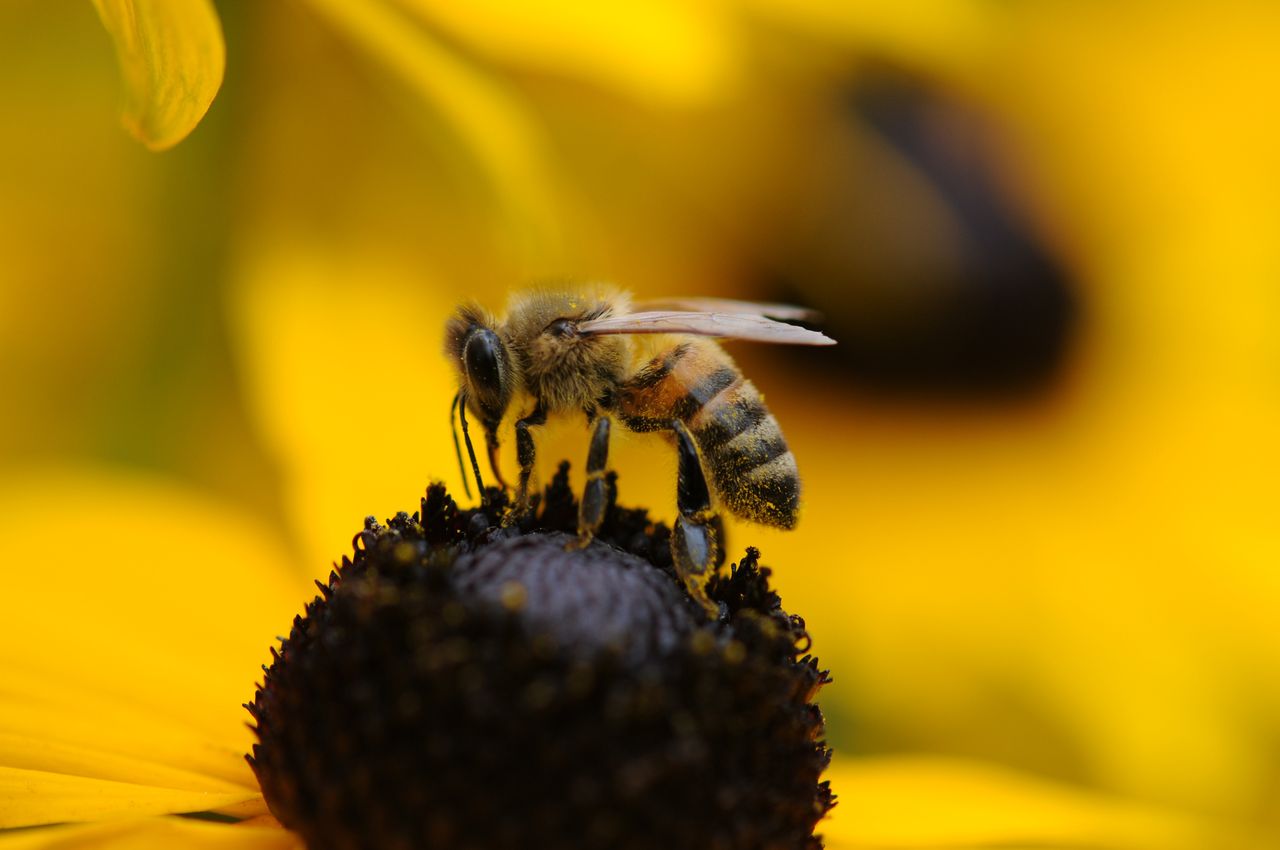
Bees, birds, bats, and butterflies pollinate a large share of the world’s crops. Meanwhile, soil organisms recycle nutrients that keep farmland fertile. A diverse ecosystem also resists pests and disease better than a single-crop system. So, protecting biodiversity directly protects our food supply.
Furthermore, many modern medicines came from compounds first discovered in plants and fungi. Losing species, therefore, means losing potential cures we haven’t even found yet.
Major Threats to Biodiversity Today
Habitat Destruction
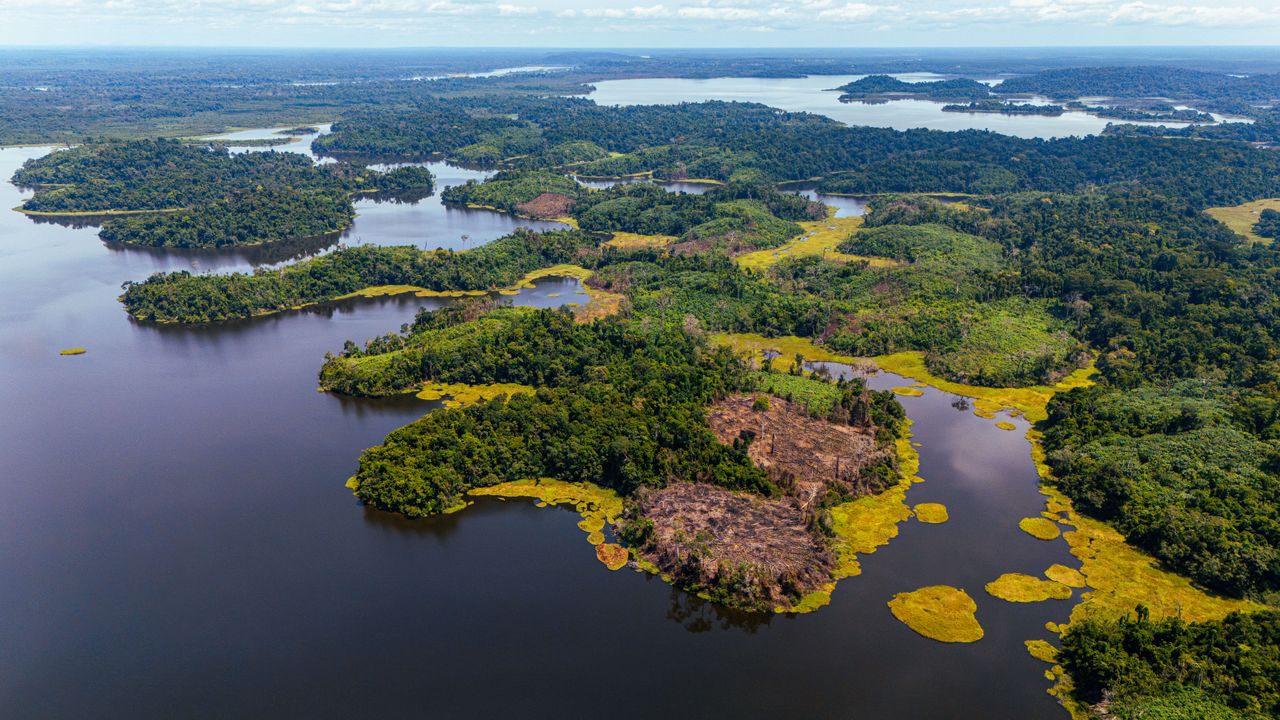
Forests, wetlands, and grasslands are constantly cleared for farming, mining, and construction. Once a habitat disappears or breaks into small pieces, species lose access to food, shelter, and breeding grounds.
Climate Change
Rising temperatures, shifting rainfall, and extreme weather force species to adapt quickly or move to new areas. Unfortunately, many species simply cannot keep pace, leading to shrinking populations.
Pollution and Overexploitation
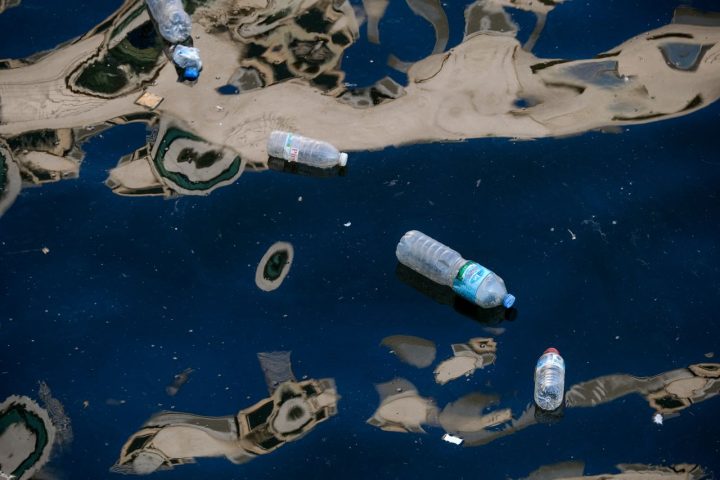
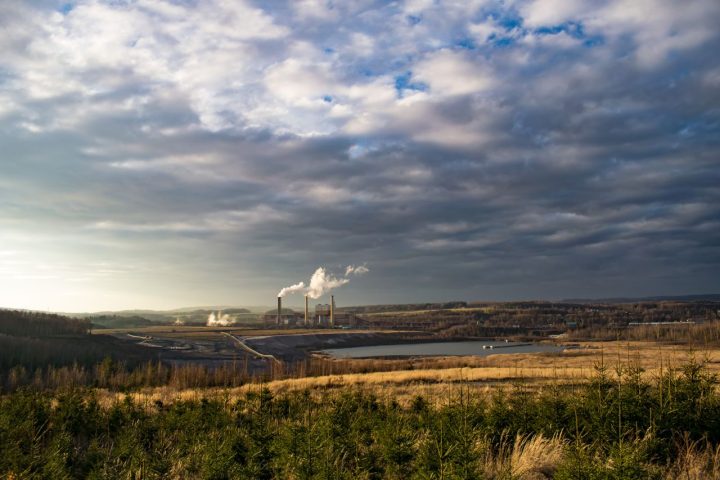
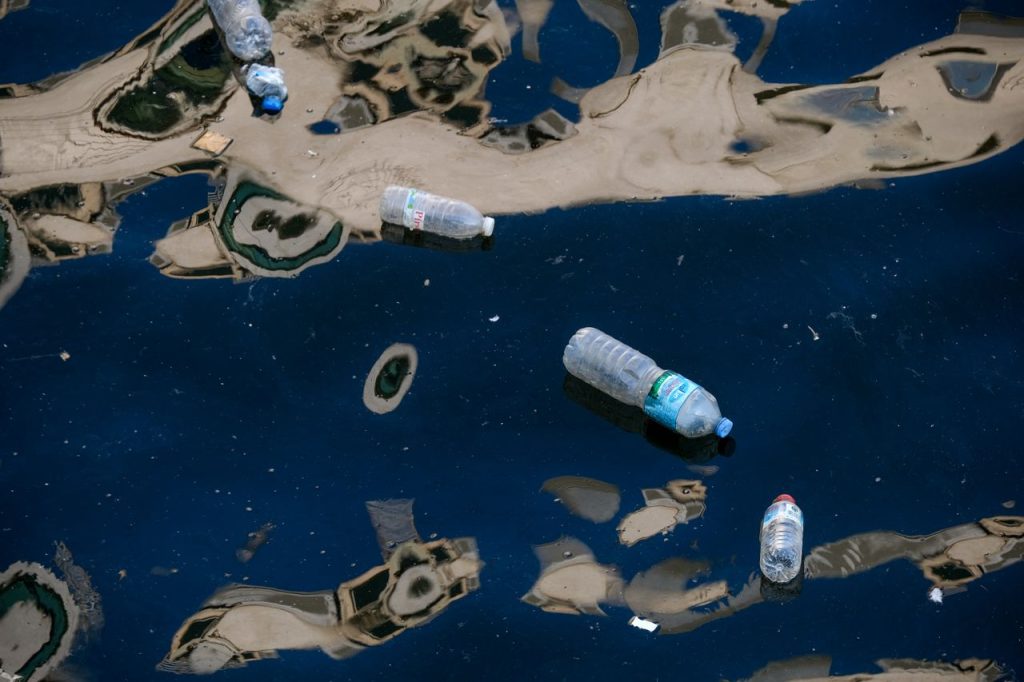
Plastic waste, pesticides, oil spills, and industrial chemicals contaminate land and water. At the same time, overfishing, illegal hunting, and unsustainable logging remove resources faster than nature can replace them. Invasive species add further pressure by outcompeting native wildlife.
Protected Areas and Wildlife Reserves
National parks, marine reserves, and wildlife sanctuaries remain one of the strongest tools for wildlife conservation. These zones limit harmful activity and give ecosystems room to recover.
That said, simply drawing a boundary on a map isn’t enough. Real protection requires steady funding, trained rangers, ongoing research, and cooperation with nearby communities. Wildlife corridors also matter greatly, since they let animals travel safely between habitats, especially as climate change reshapes where species can survive.
Habitat Restoration: Healing Damaged Ecosystems
Protecting what remains is only half the job; restoring what’s already damaged matters just as much. Reforestation projects replant native trees and allow natural growth to return. Wetland restoration improves water quality while creating homes for birds and fish.
Similarly, coral reef restoration often involves growing coral fragments in nurseries before transplanting them onto damaged reefs. Grassland restoration, meanwhile, focuses on removing invasive plants and reintroducing native species. Importantly, every restoration plan should match local ecological conditions, otherwise, well-meaning efforts can backfire.
Saving Endangered Species
Habitat loss, hunting, disease, and climate change push countless species toward extinction. Endangered species protection typically combines several strategies: safeguarding habitats, stopping poaching, running captive breeding programs, and reintroducing animals into the wild.
Captive breeding helps species with very small populations, but it works best alongside habitat protection. After all, releasing animals into a damaged environment rarely leads to lasting success. Genetic management also plays a key role, since it reduces inbreeding risks and strengthens a population’s ability to adapt.
Sustainable Agriculture and Biodiversity
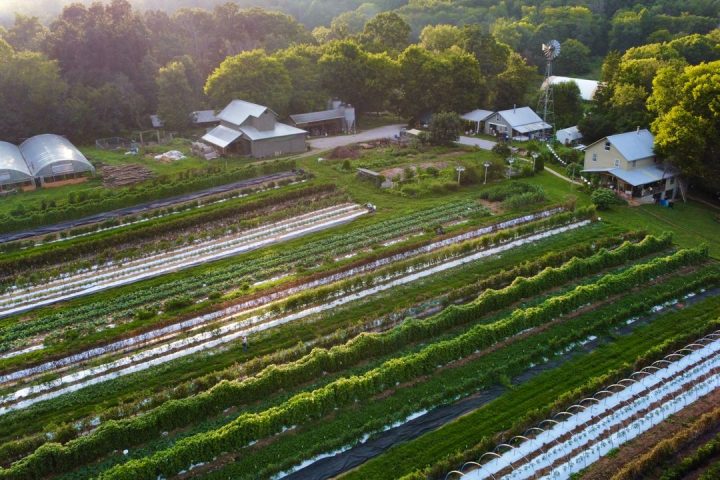
Farming can either harm or support biodiversity, depending on how it’s managed. Intensive, chemical-heavy farming often strips away habitat and degrades soil. On the other hand, sustainable agriculture, through crop rotation, agroforestry, hedgerows, and reduced pesticide use, creates space for pollinators and other wildlife to thrive.
Agroforestry, for instance, blends trees with crops or livestock. This approach improves soil health, reduces erosion, and gives farmers a genuine role in conservation while they continue producing food.
Marine Biodiversity Conservation
Oceans hold an incredible range of life, from coral reefs to whales. Yet marine biodiversity faces serious threats: overfishing, plastic pollution, ocean warming, and acidification.
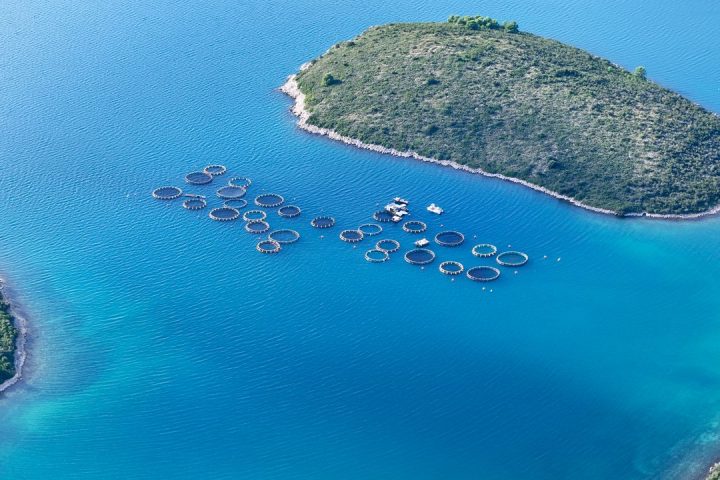
Sustainable fishing practices, including science-based catch limits and responsible gear, help fish populations recover. Meanwhile, marine protected areas give fragile ecosystems a genuine chance to heal. Protecting mangroves, seagrass beds, and coastal wetlands matters too, since these areas serve as nurseries for countless marine species.
The Role of Local Communities
Conservation succeeds most often when local communities lead the way. People who live near forests, rivers, and coastlines usually understand these ecosystems better than anyone else.
Community-based conservation also creates real economic incentives. Ecotourism, sustainable forestry, and responsible fishing allow communities to benefit financially from protecting, rather than exploiting, nature. Likewise, indigenous knowledge, when respected and included, often improves conservation outcomes significantly.
How Technology Is Helping Conservation Efforts?
Modern tools are transforming how we protect biodiversity. Satellite imagery tracks deforestation in real time. Camera traps record wildlife without disturbing it. GPS collars reveal migration patterns that were once a mystery.
Additionally, environmental DNA (eDNA) lets scientists detect species just from traces left in water or soil. Artificial intelligence, meanwhile, helps analyze massive datasets and even spot illegal poaching activity. Still, technology works best when paired with fieldwork and community knowledge, not as a replacement for either.
Simple Ways You Can Support Biodiversity Conservation
You don’t need to be a scientist to make a difference. Consider these everyday actions:
| Action | Impact |
| Plant native species in your garden | Supports local pollinators and birds |
| Reduce plastic use | Cuts pollution reaching oceans and rivers |
| Avoid products from illegal wildlife trade | Reduces demand driving species loss |
| Support conservation organizations | Funds habitat protection and research |
| Choose sustainable seafood | Encourages responsible fishing |
| Volunteer for local restoration projects | Directly rebuilds damaged habitats |
Small, consistent choices add up quickly when millions of people make them together.
Final Thoughts on Biodiversity Conservation
Biodiversity conservation isn’t just an environmental issue, it’s a foundation for human survival. Every species, from the largest whale to the smallest insect, plays a role in keeping ecosystems balanced and productive.
Real progress requires more than protecting individual animals. It demands habitat restoration, sustainable resource use, pollution control, climate action, and strong support for local communities. Governments, businesses, scientists, and everyday individuals all have a part to play.
Ultimately, biodiversity belongs to everyone. Protecting it today ensures forests stay healthy, oceans stay productive, and future generations inherit a planet still rich in life.